



Reusable vs Disposable: What We Leave Behind
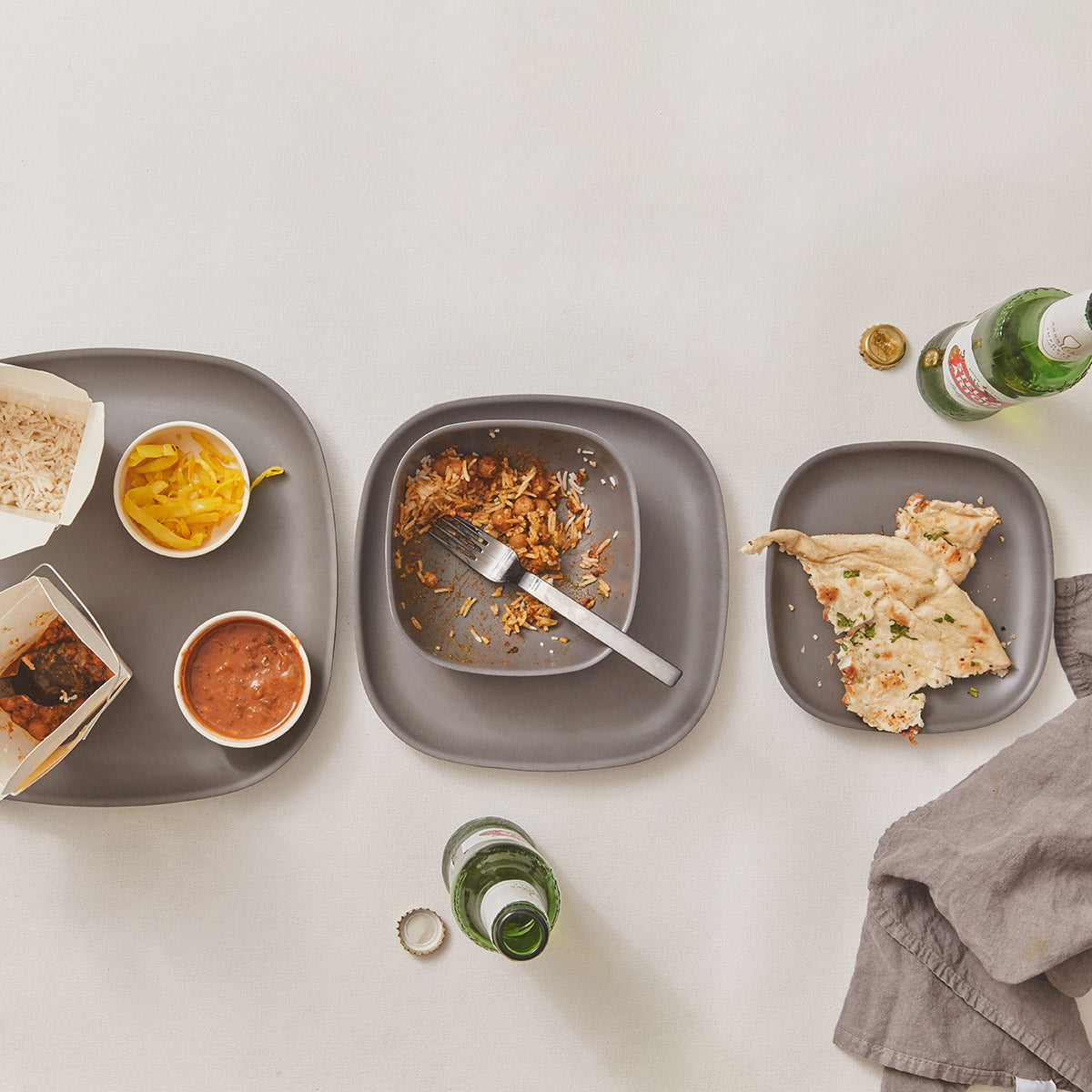
After a gathering, what remains? Often, there is a pile of single-use cups, plastic bottles, and disposable plates. These items leave a quiet but lasting impact on the environment.
Globally, over 400 million tons of plastic are produced every year, much of it for single-use items. In the U.S. alone, around 50 billion plastic water bottles are used annually, yet only about 29 percent are recycled (WIFI Talents). Even when recycled, plastic bottles can take up to 450 years to break down (WorldMetrics).
Every day, we see the consequences: a plastic bottle left in a park, an overflowing bin after a party. Convenience comes at a cost.

Reusable Cups vs Disposable Cups
Reusable cups are designed to be used hundreds of times, which dramatically reduces waste. Studies show a single reusable cup can replace hundreds of disposable cups over its lifetime (Oceana). EKOBO’s reusable cups are lightweight, dishwasher-safe, and durable, making them suitable for everyday use at home, outdoor gatherings, or in hospitality settings.
How Reusable Bottles Reduce Waste
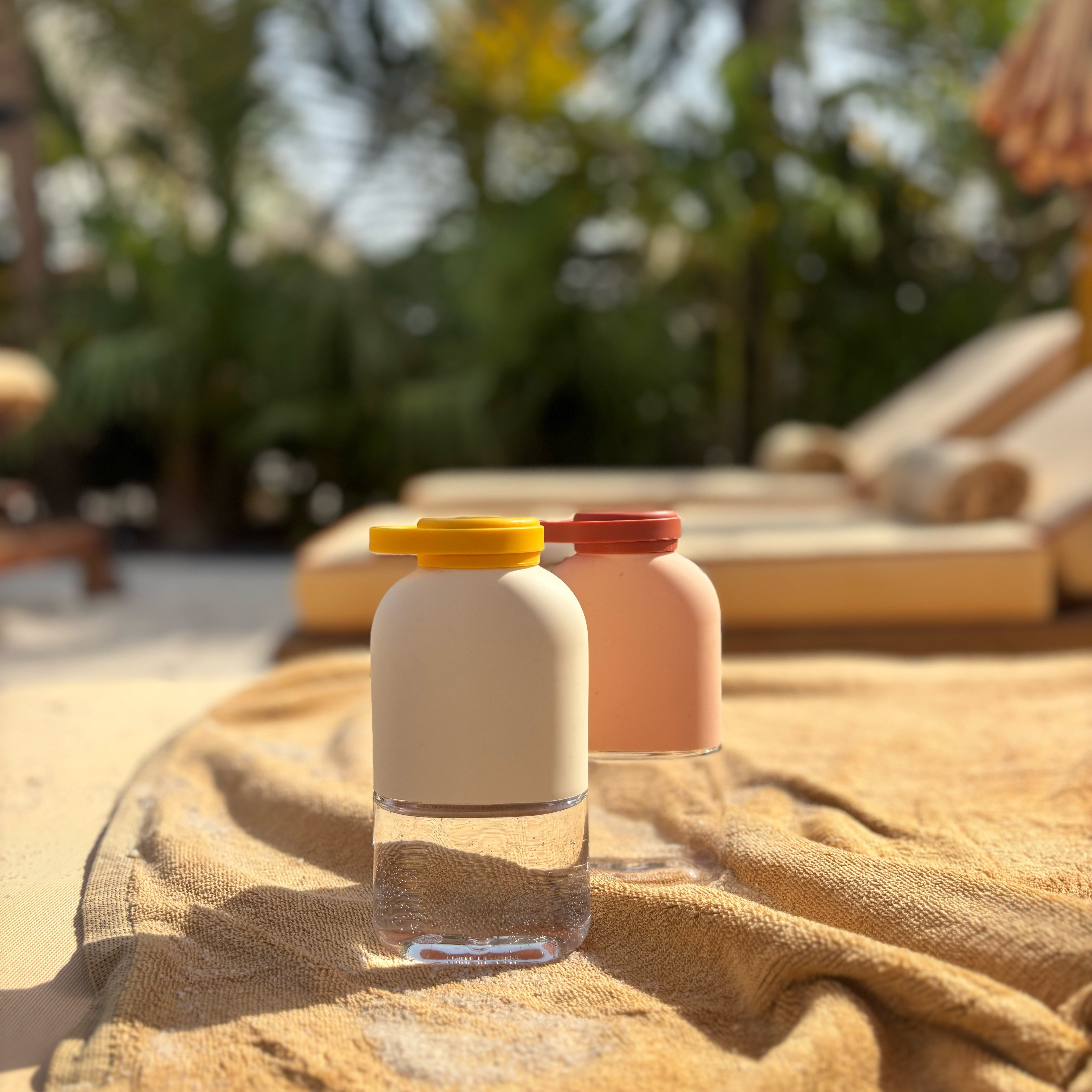
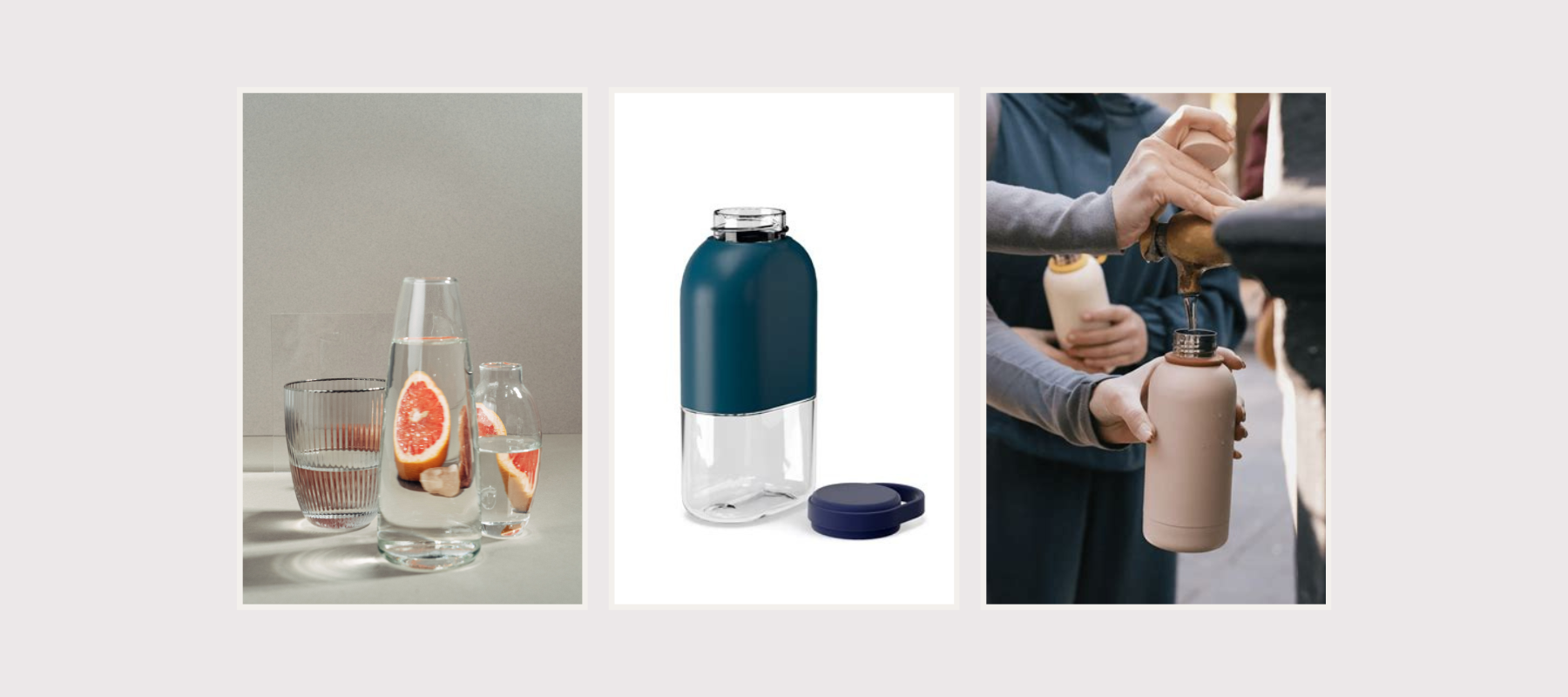
Single-use plastic bottles are a major contributor to pollution. By switching to a reusable EKOBO water bottle, one person can prevent around 150 single-use plastic bottles per year (The Roundup).
Reusable bottles also save money. Over a year, an individual can save approximately $300 by drinking tap water instead of bottled water (The Roundup). Durable and easy to refill, EKOBO bottles are built for repeated use, supporting sustainable habits without compromising convenience.
Lifespan and Cost Benefits of Reusable Products
Reusable items require cleaning, and their initial production uses more resources than that of a single-use product. However, the long-term benefits quickly outweigh the initial impact. Studies indicate that reusable cups and bottles are more environmentally friendly after just a few uses.Switching to reusable items reduces plastic pollution and carbon emissions, while also providing cost savings over time.

Reusables in Hospitality
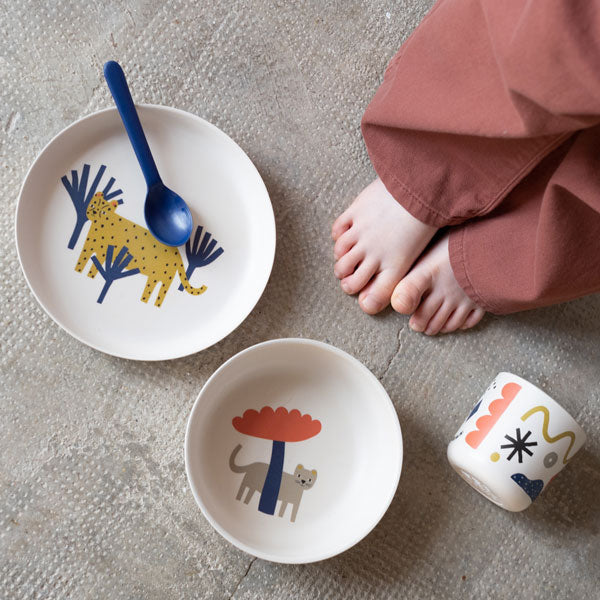
In hospitality, guests increasingly expect sustainable choices. Offering reusable cups, bottles, and tableware shows care and attention while reducing waste generated by events. EKOBO’s bamboo fibre tableware and reusable bottles provide a durable, attractive alternative that works indoors, outdoors, and in commercial settings.
Spring encourages outdoor gatherings: rooftops, markets, parks, and long tables. Choosing reusable products ensures we leave a positive impact, not waste. Join us in making every gathering a chance to care for the planet with pieces built to last.

Leave a comment
This site is protected by hCaptcha and the hCaptcha Privacy Policy and Terms of Service apply.