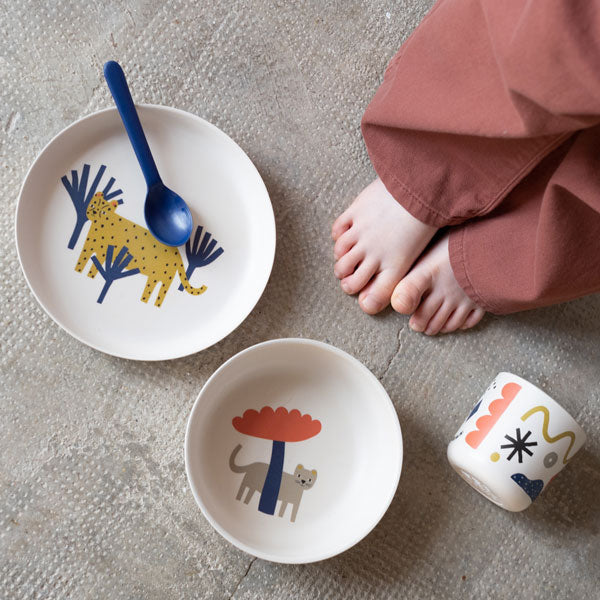
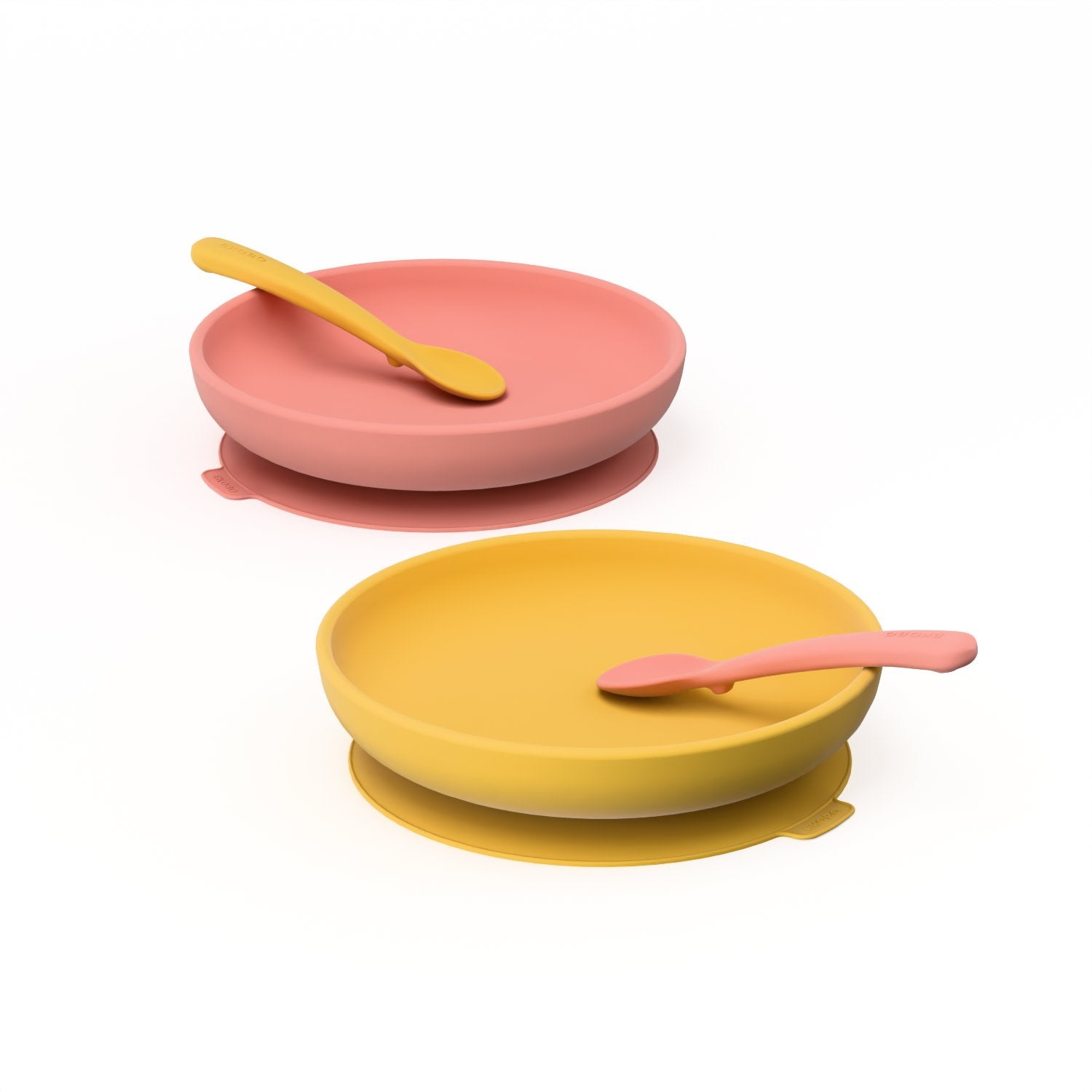
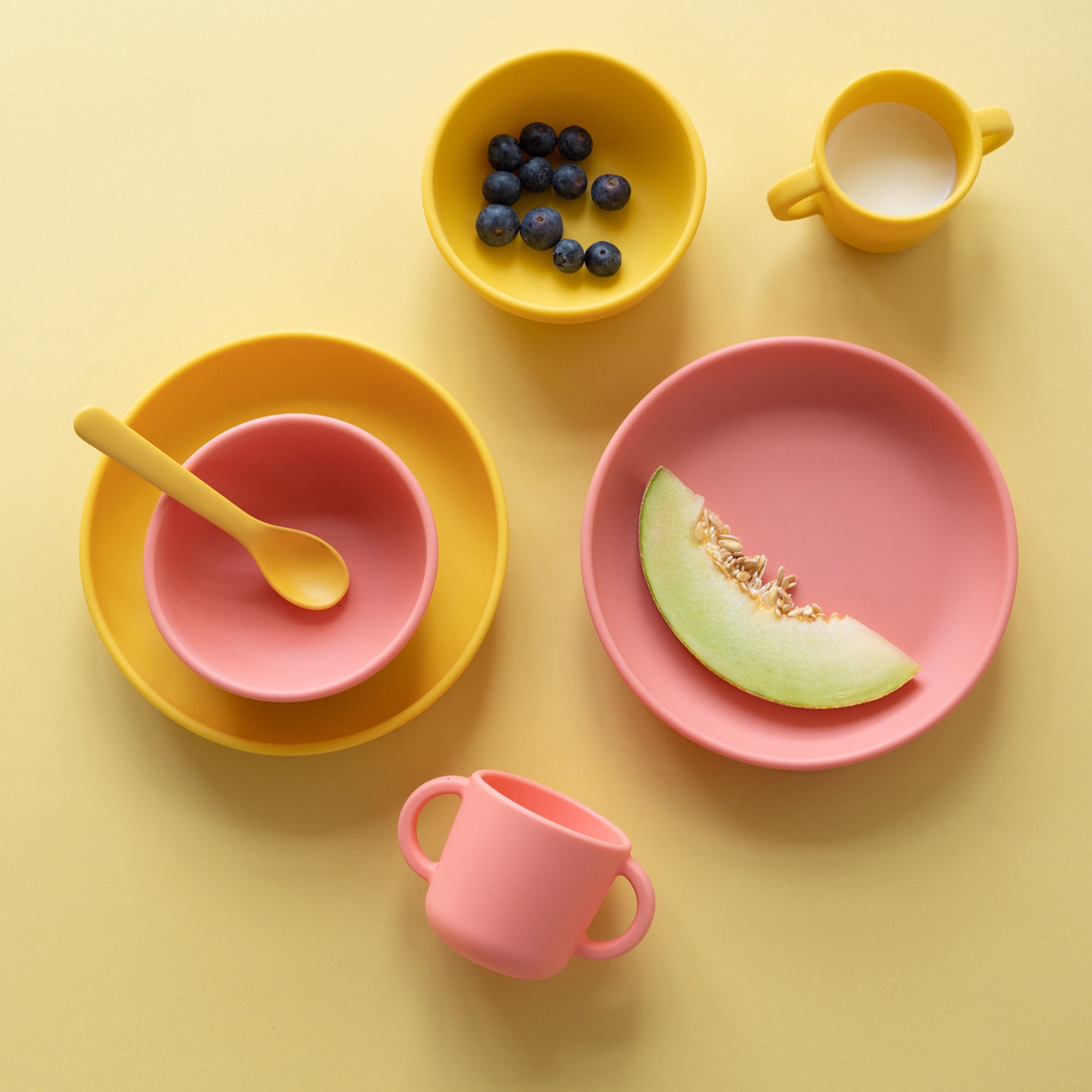
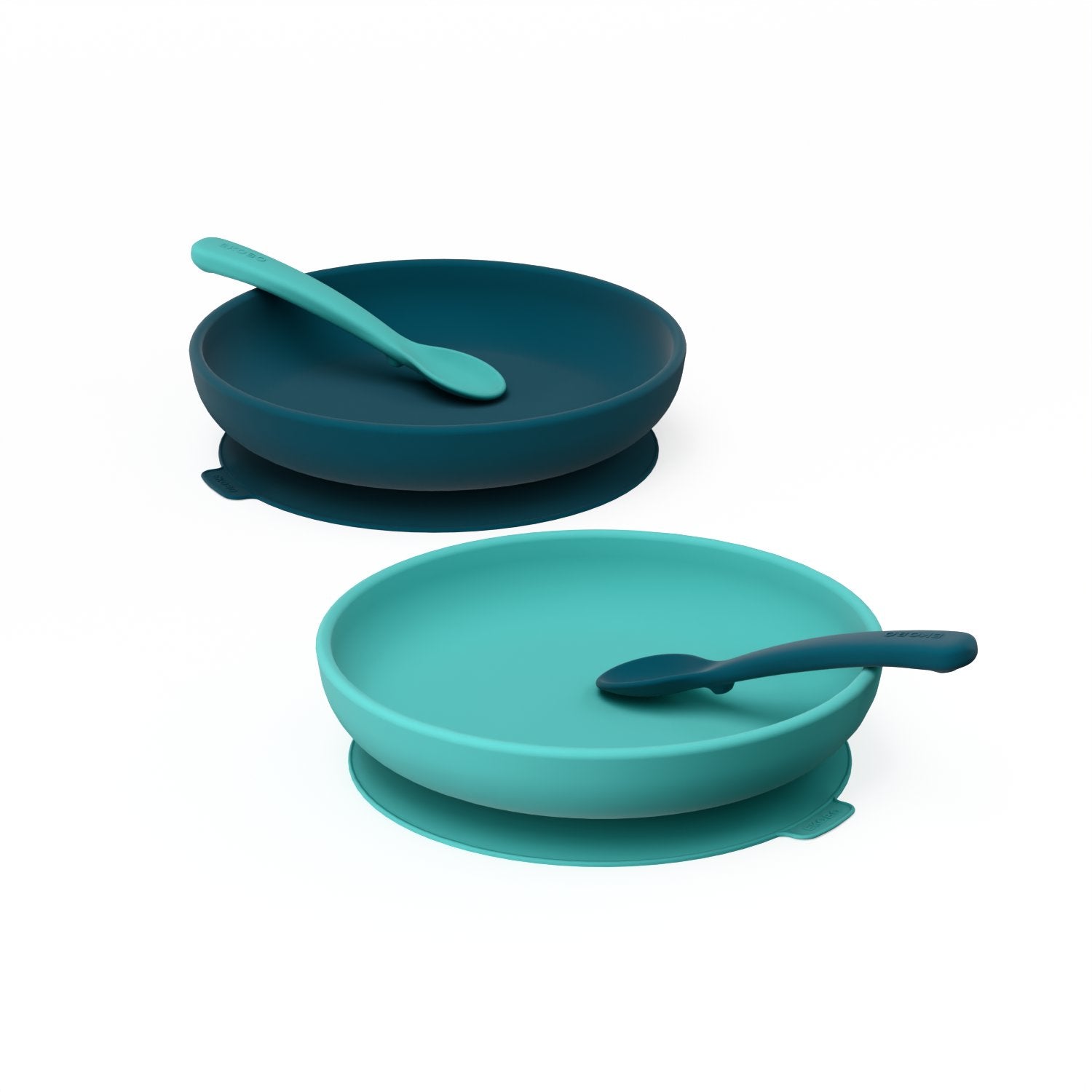
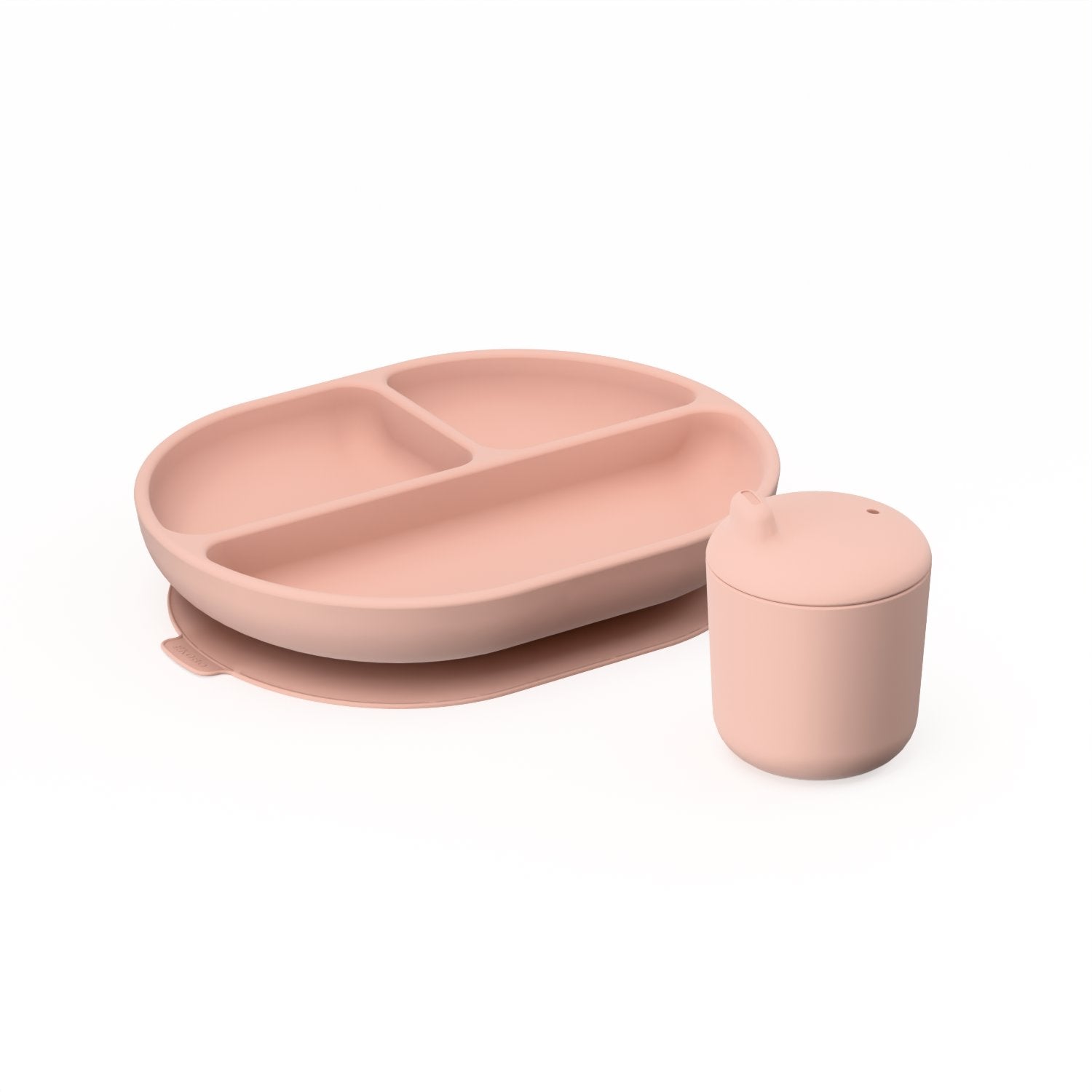
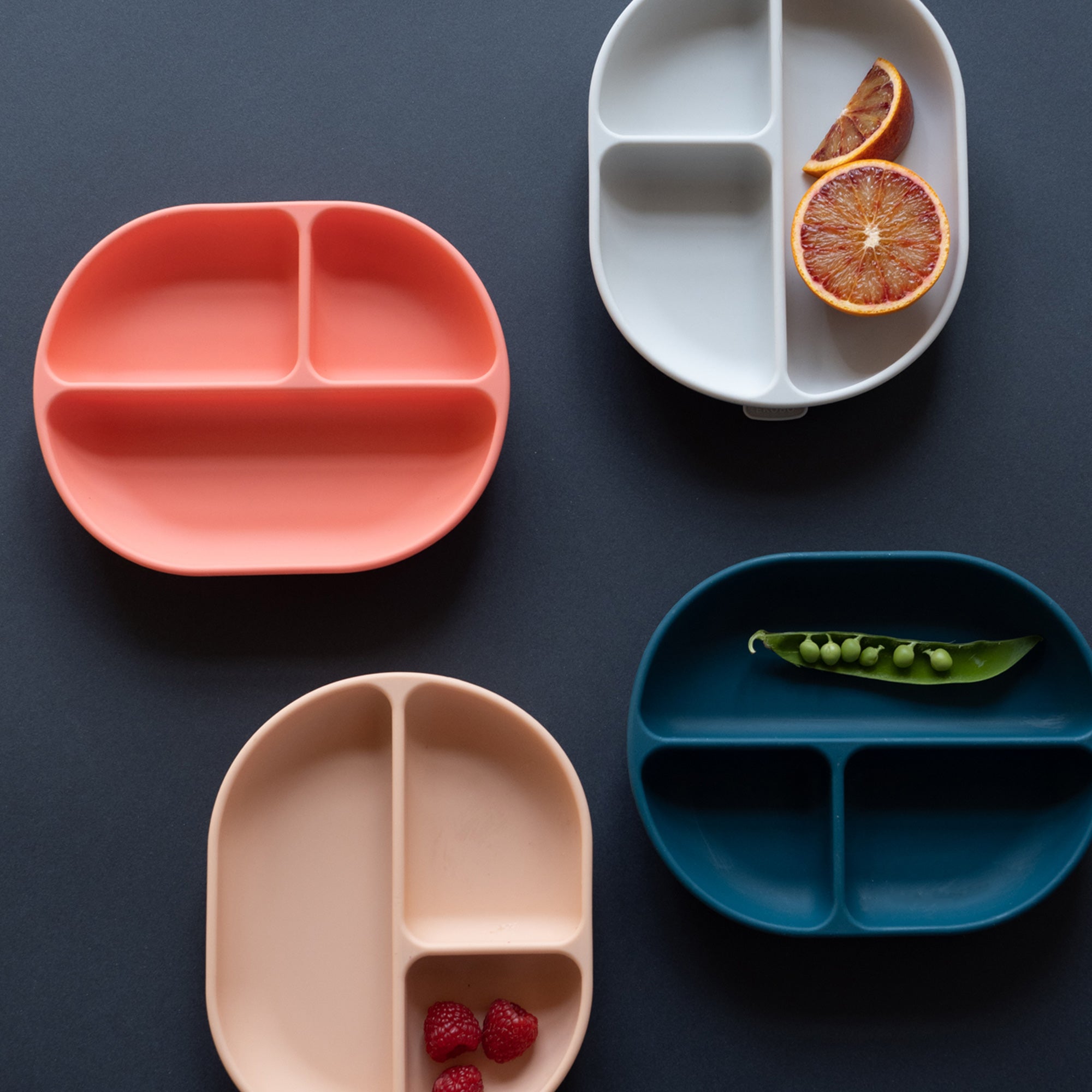
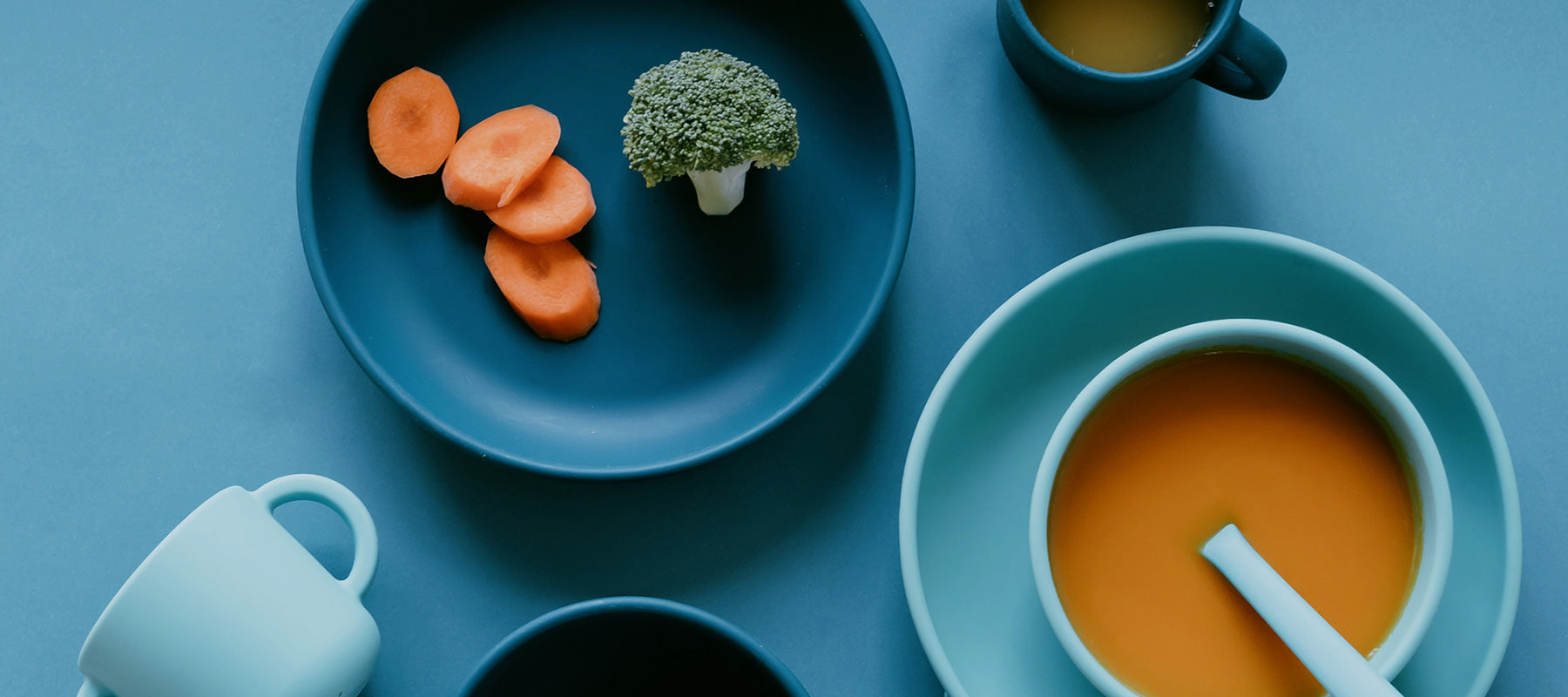
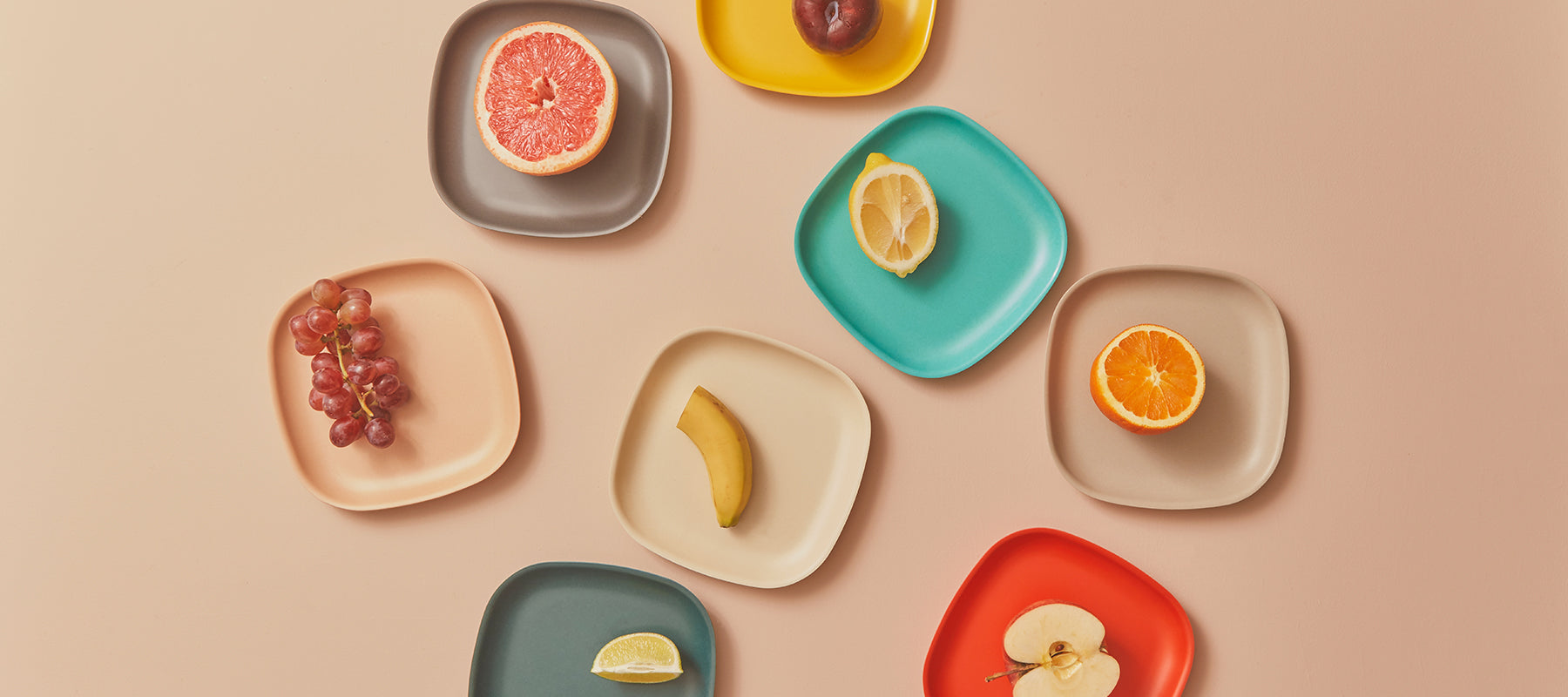
Eco Friendly • Dishwasher Safe • BPA-FREE • LFBG/FDA Certified. Our baby silicone feeding collection has been custom-designed for tots and their feeding milestones. Choose from meal sets, feeding bowls, suction plates and sippy cups – all designed just for baby & Toddlers.
Bamboo Fiber BIOBU® is our signature eco-composite blends made from responsibly sourced bamboo waste 50% and a safe, 50% food-grade binder. This combination makes our products strong, long-lasting and completely safe for everyday use - no varnish, no coatings, no fading, and no harmful chemicals.
Unlike many bamboo fibre products on the market, BIOBU® is produced using a strict, high-quality thermopress process, ensuring stability, durability and top safety standards. All products are BPA-free, PVC-free, Phthalate-free, Asbestos-free and fully tested to global food-safety regulations.
We chose bamboo because it is one of the most renewable resources on our planet. It requires no fertilizer, pesticide or herbicide. Our bamboo is collected as sawdust waste from selected bamboo chopstick factories. Our items are reusable, dishwasher-safe, and a sustainable alternative to fragile or disposable plastics.
About Food-Grade Silicone
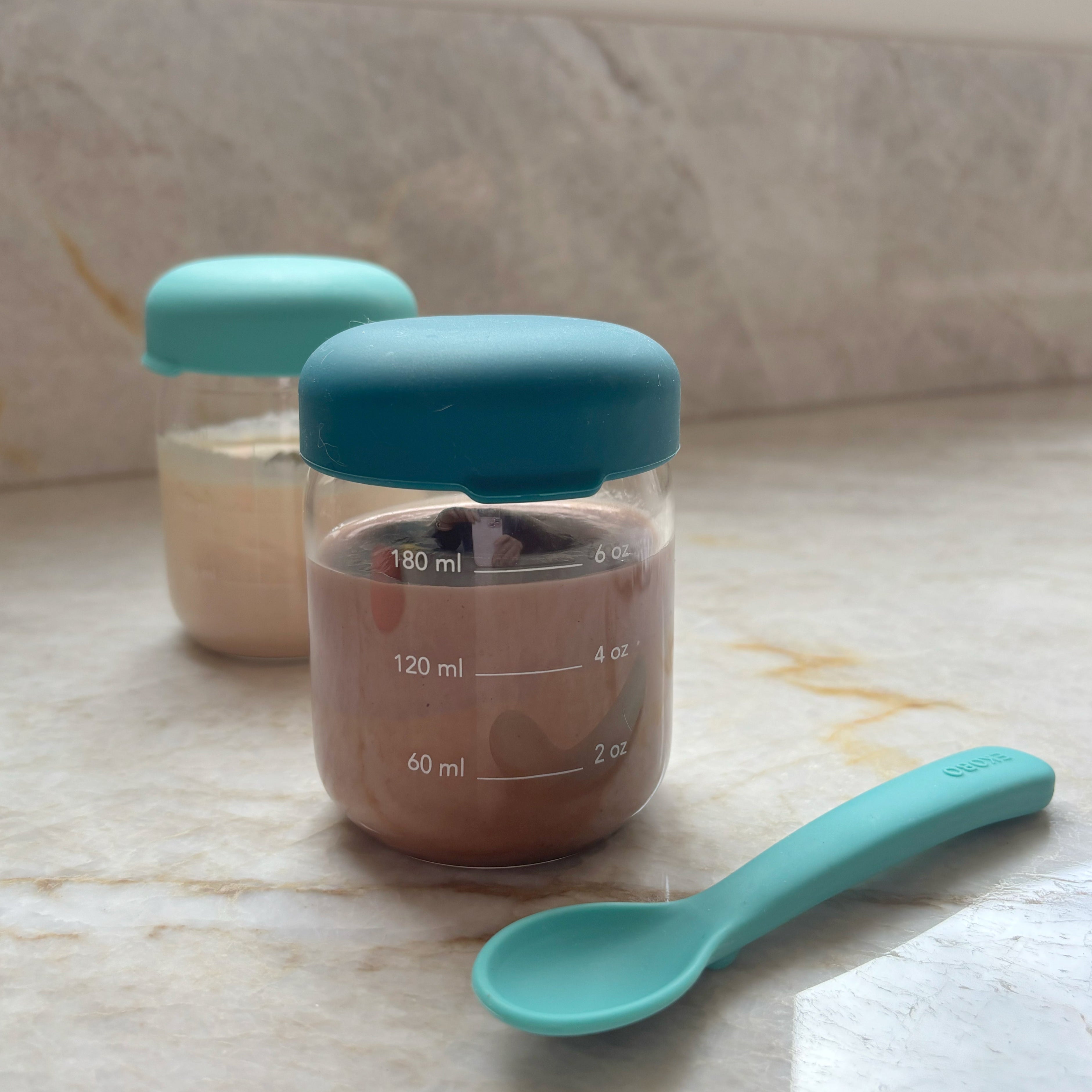
Silicone is a flexible, durable material made from silica, a natural element derived from sand. EKOBO uses high-quality, food-grade silicone described as safe, non-toxic and suitable for everyday use in baby and family products, as seen in the baby feeding collection.
All silicone items are BPA-free and designed as a long-lasting alternative to disposable plastics, supplying a soft, functional solution for daily meals at home or on the go, as outlined in the EKOBO FAQ. The material is flexible and wear-resistant, making it especially useful for repeated use.
Food-grade silicone is widely recognized as safe for food contact and is approved for use in kitchenware and food applications by organizations such as the U.S. Food and Drug Administration, making it a reliable choice for everyday use.
EKOBO STORY
WE DESIGN TO DO BETTER WITH LESS.
Founded in 2003 by Bruno and Boo Louis, EKOBO began as a family-driven project rooted in thoughtful design and daily use. Over more than 20 years, the brand has grown alongside our children, shaping products for meals, travel and developing products together.
From the beginning, our approach was simple: create functional, well-made pieces using carefully selectedmaterials - bamboo, cork, rePET, silicone, and organic cotton - with a focus on durability and reducing unnecessary waste.
Each collection reflects a "less is more" philosophy, where form, function and material are considered equally. Today, EKOBO is an international brand with 500+ designs, present in the United States, Europe, and Asia - made for modern family life.
Yes. EKOBO is a well-established eco-design brand known for combining modern aesthetics with responsibly sourced materials. Designed in France, the brand focuses on reusable alternatives to single-use plastics using bamboo fiber eco-composites, not raw natural bamboo. EKOBO uses leftover bamboo sawdust from chopstick factories, giving waste material a second life. Bamboo grows extremely fast and captures significantly more CO₂ than most hardwoods, contributing to a lower carbon footprint from the very beginning of the product’s life cycle.
What are the disadvantages / limitations of bamboo fiber?
Bamboo fiber must be distinguished from
natural bamboo. Natural bamboo products are often disposable and
moisture-sensitive. Bamboo fiber eco-composites are durable and reusable but
are not designed for cooking, microwaves, or ovens. They have defined heat
limits and are not home-compostable due to the food-safe binder required for
long-term reuse. These are material limitations, not safety defects.
Why can’t you put bamboo plates in the microwave?
Both natural bamboo and bamboo fiber eco-composites are unsuitable for microwaves. Microwaves create uneven internal heat that can exceed the thermal limits of bamboo fiber composites over time. Bamboo plates are designed for serving food, not reheating or cooking, similar to melamine, many plastics, and some ceramics.
Why can’t bamboo go in the dishwasher?
Natural bamboo products generally cannot go in the dishwasher because prolonged heat, moisture, and detergents degrade untreated fibers. Bamboo fiber eco-composites are engineered differently. EKOBO’s bamboo fiber products are dishwasher safe (top rack), which differentiates them from many generic bamboo items.
Is EKOBO safe?
Yes. EKOBO products are made from bamboo fiber eco-composites, not raw natural bamboo. They are BPA-free, PVC-free, and phthalate-free, tested for food-contact safety, and designed for hot and cold foods and liquids, though not for cooking.
Is EKOBO dishwasher safe?
Yes. Unlike many natural bamboo products, EKOBO’s bamboo fiber eco-composites are dishwasher safe (top rack) due to their engineered formulation.
Where are EKOBO products made?
EKOBO products are designed in France and manufactured in China, where bamboo naturally grows. EKOBO uses leftover bamboo sawdust from chopstick factories, giving waste material a second life. Bamboo’s rapid growth and high CO₂ capture contribute to a lower carbon footprint from the beginning of the product’s life cycle.
Is bamboo fiber better than melamine?
Bamboo fiber eco-composites replace part of the petroleum-based plastic used in traditional melamine with natural bamboo fiber. This reduces reliance on fossil-based materials while maintaining durability. Both materials are safe when compliant and used as directed, and neither is suitable for microwaves or ovens.
Does bamboo have formaldehyde?
Raw natural bamboo does not contain formaldehyde. Some bamboo-based products may use binders or adhesives, but bamboo fiber tableware is tested to meet strict food-contact safety limits. Properly manufactured products are safe for everyday use.
Is melamine toxic to humans?
Melamine is not toxic when used correctly. It is regulated for food-contact use and should not be microwaved or exposed to prolonged high heat. Bamboo fiber eco-composites follow similar usage guidelines while incorporating renewable bamboo content.
Are bamboo nature diapers safe?
Bamboo-based diapers typically use bamboo-derived fibers rather than raw bamboo. They are generally safe when certified and properly tested. Safety depends on no chlorine bleaching, no added fragrances, and dermatological testing.