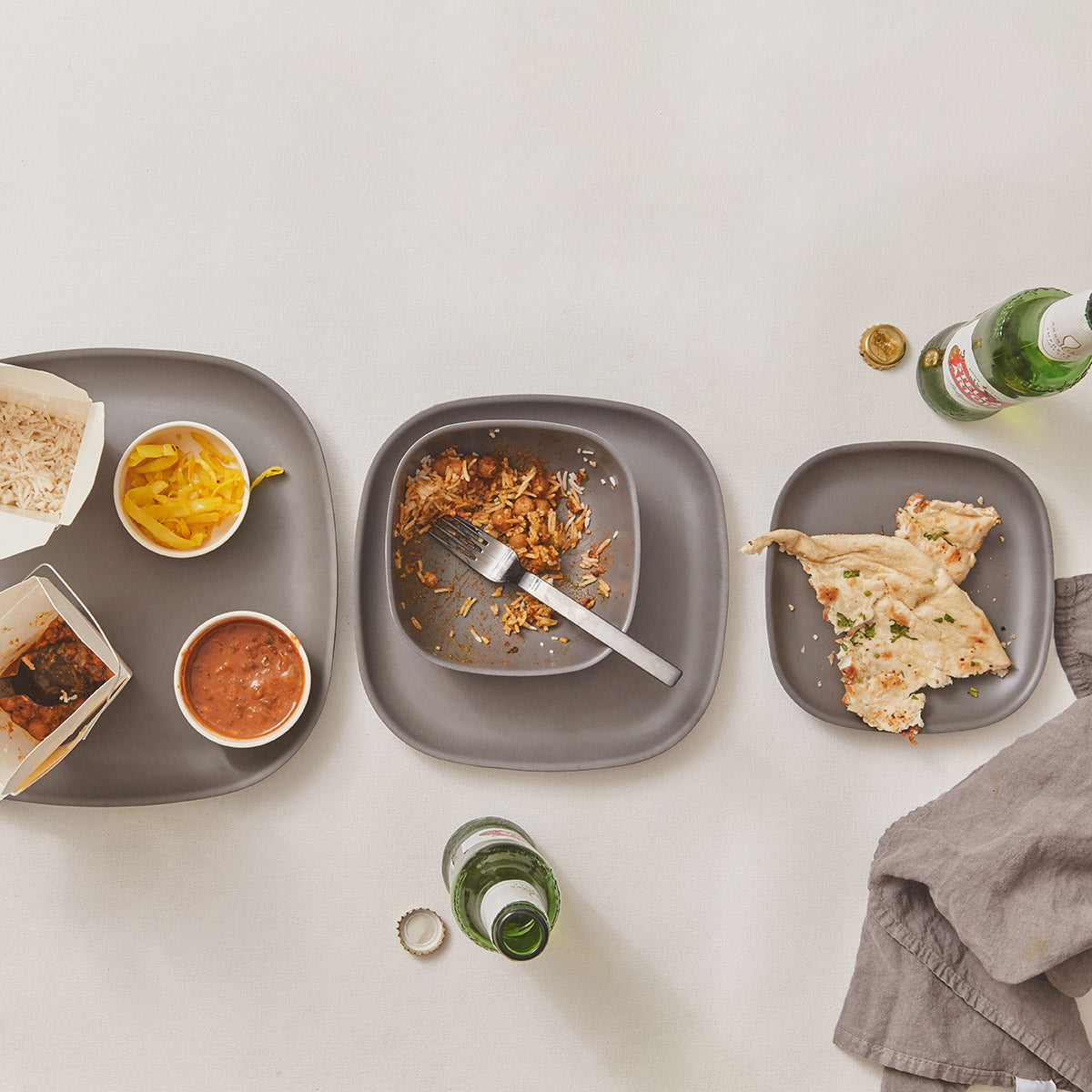
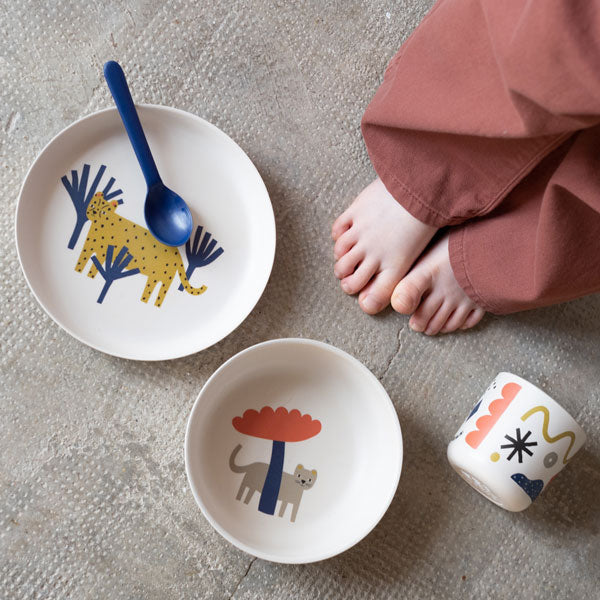
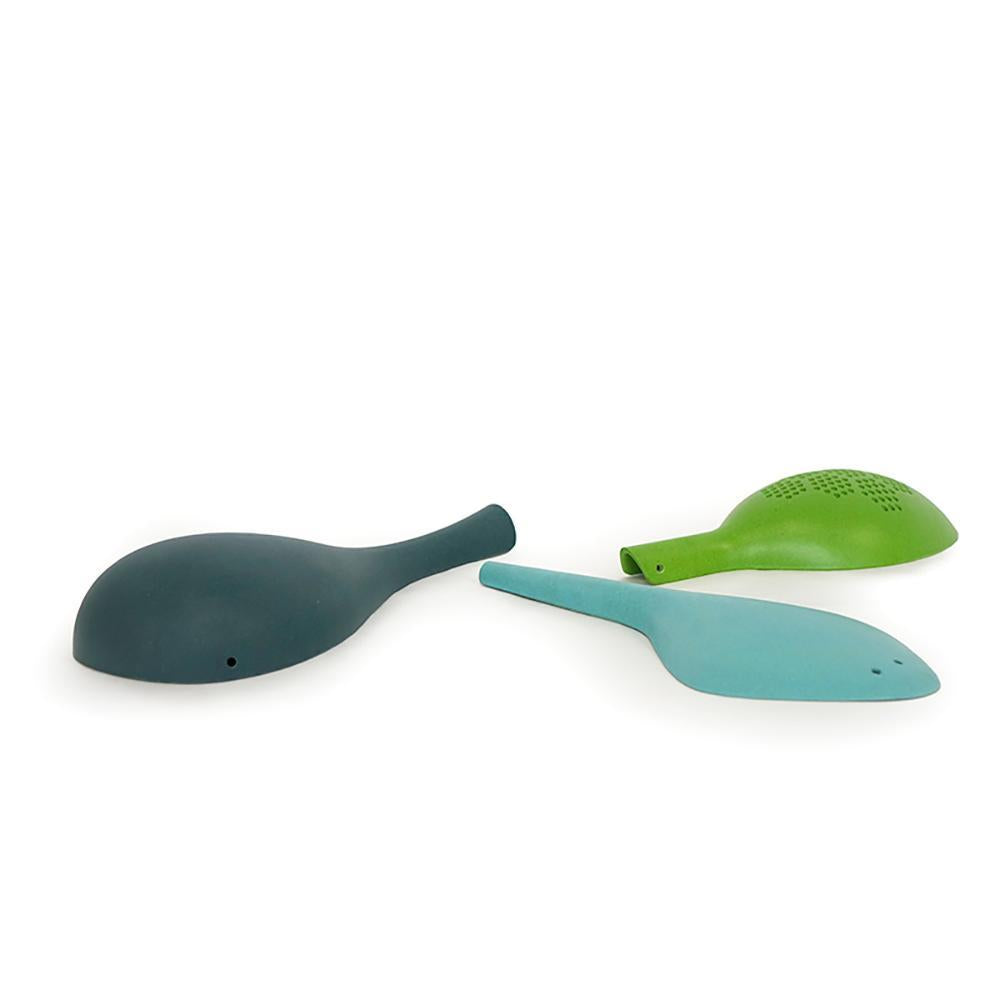
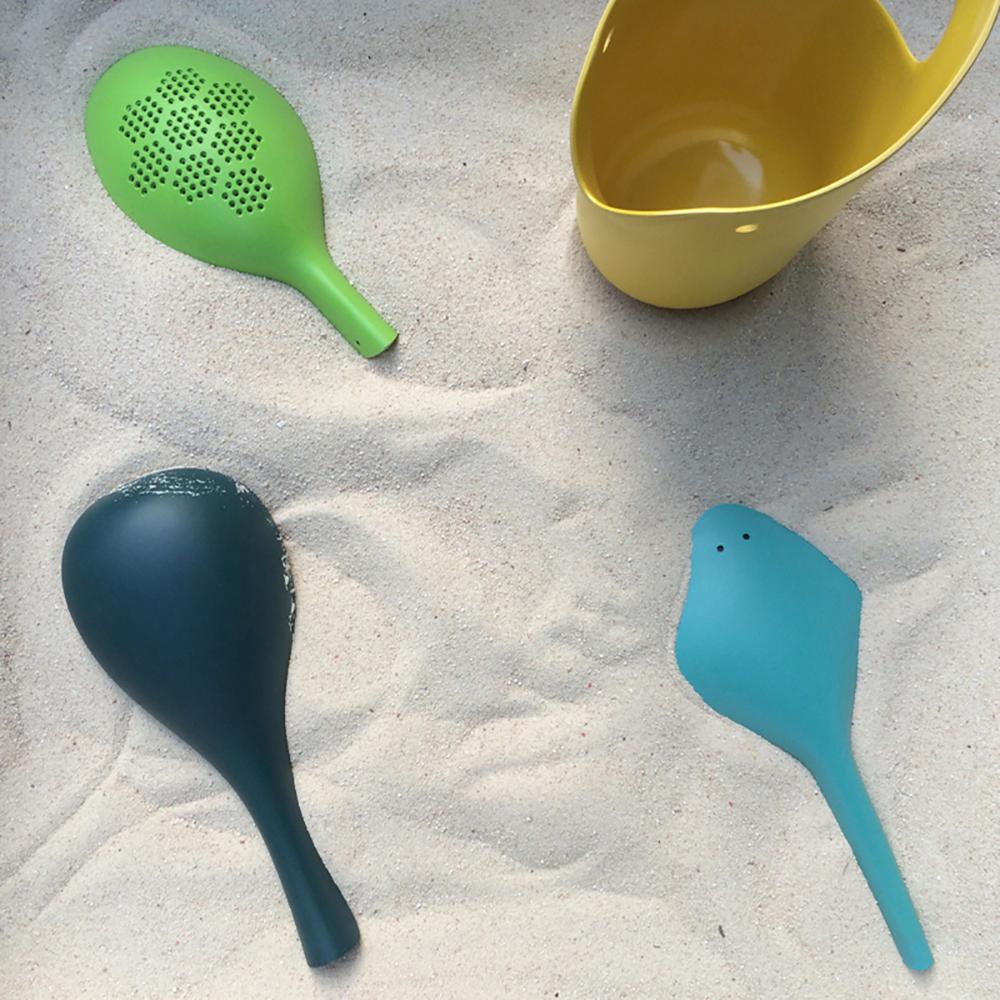
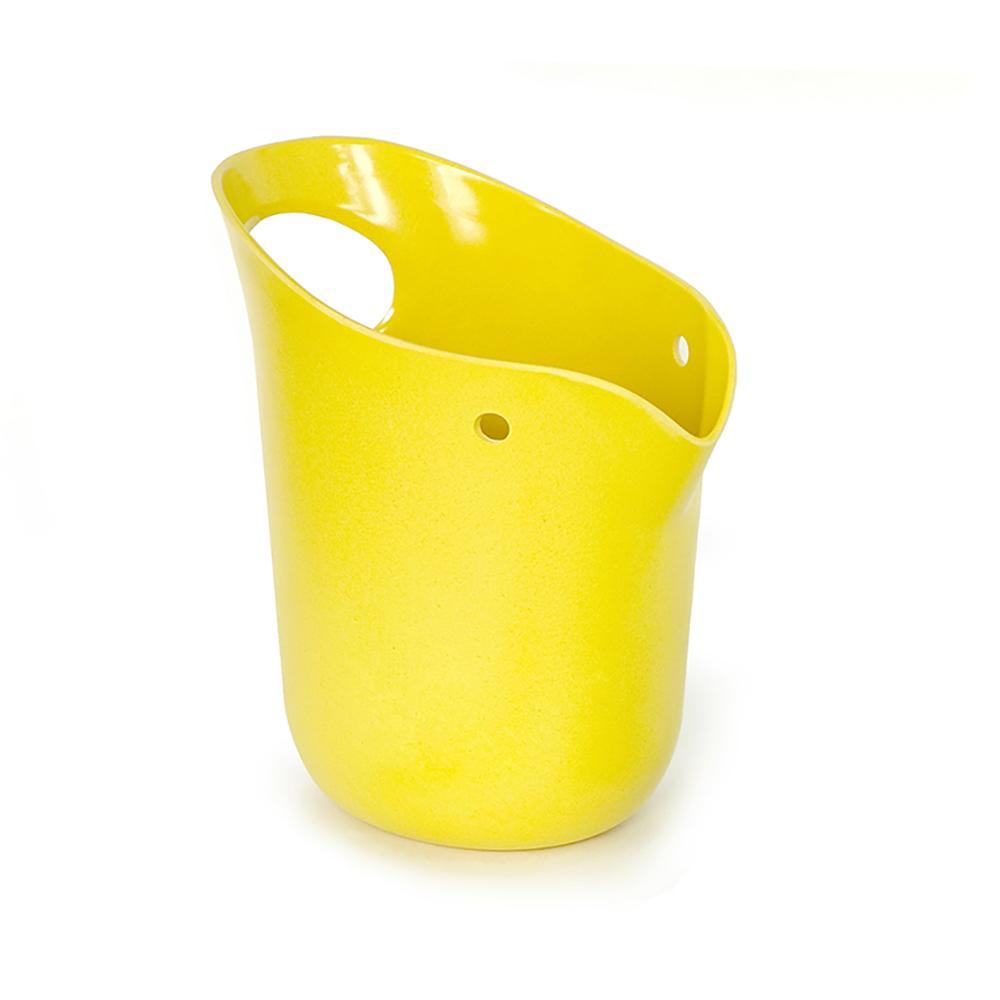
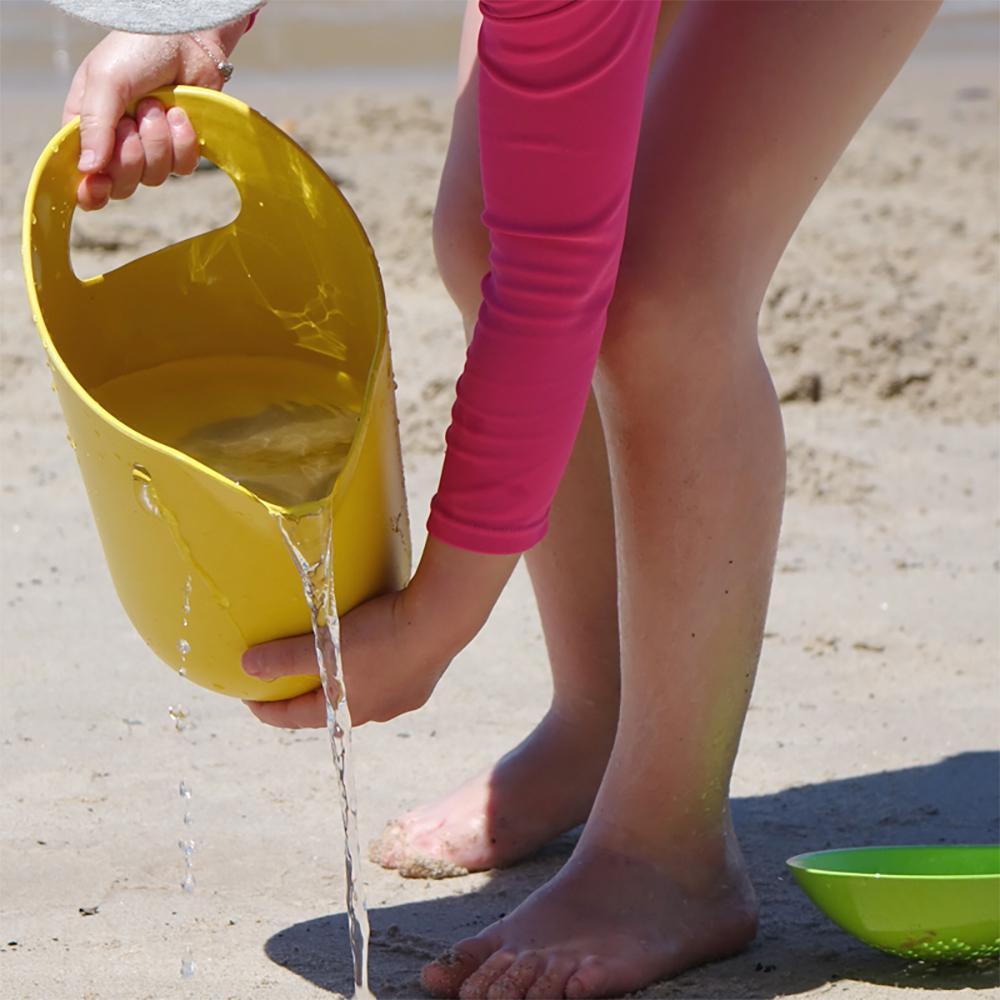
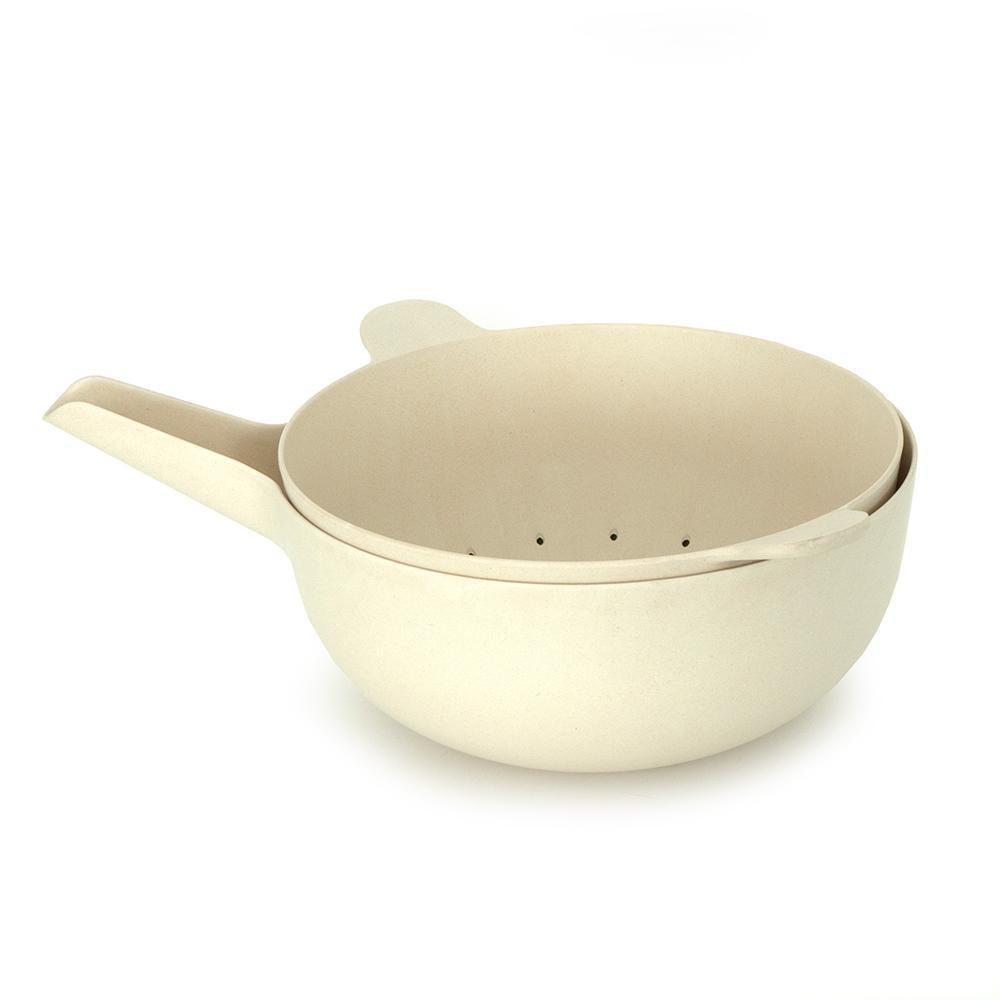
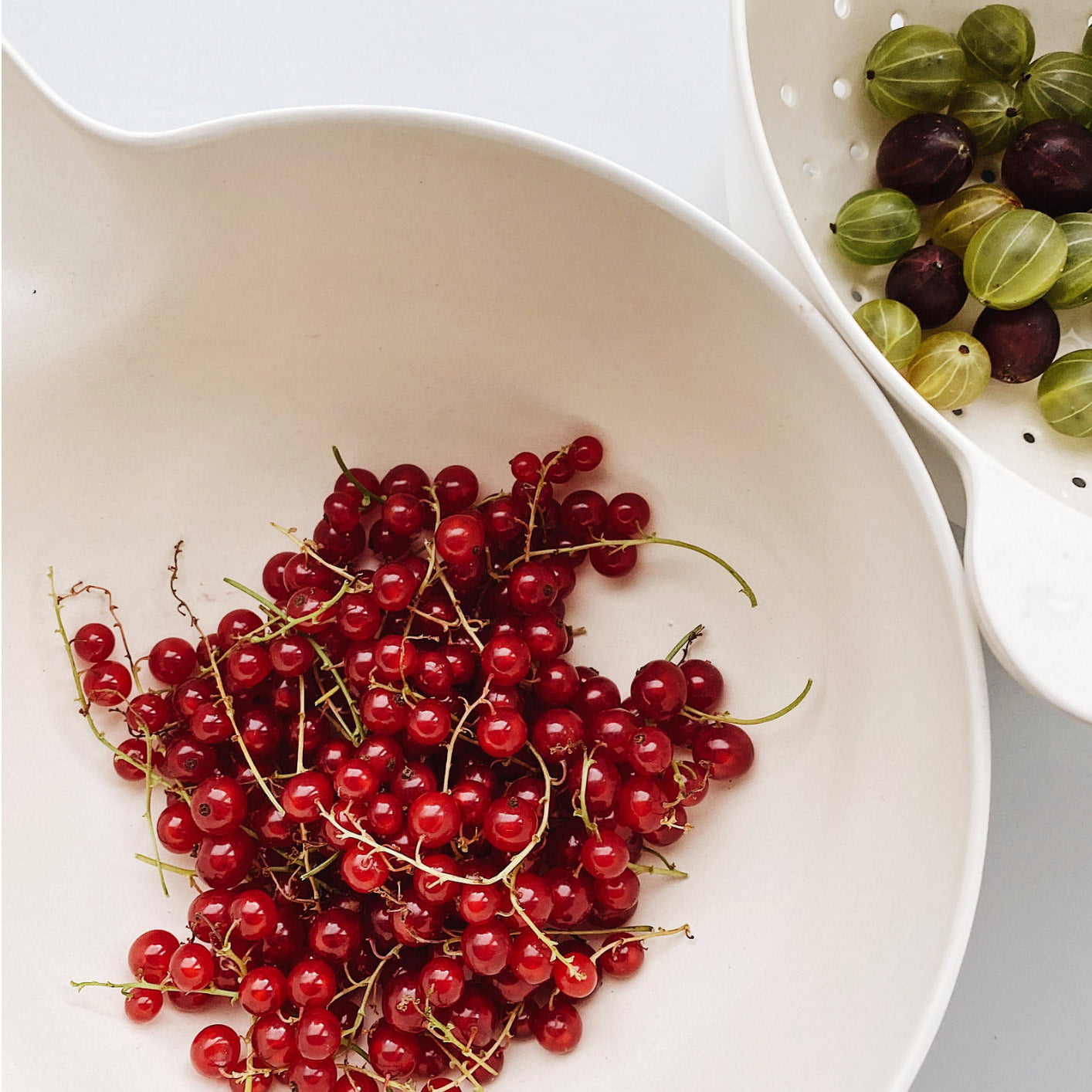
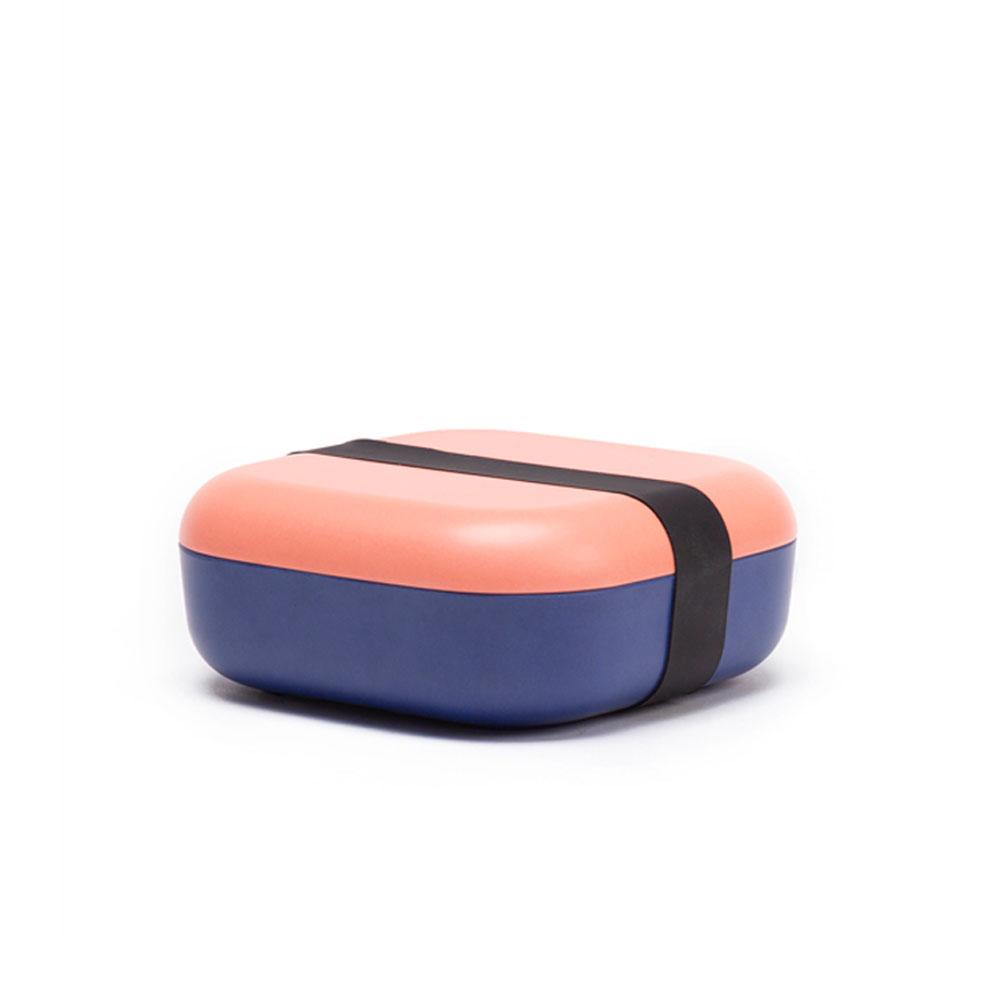
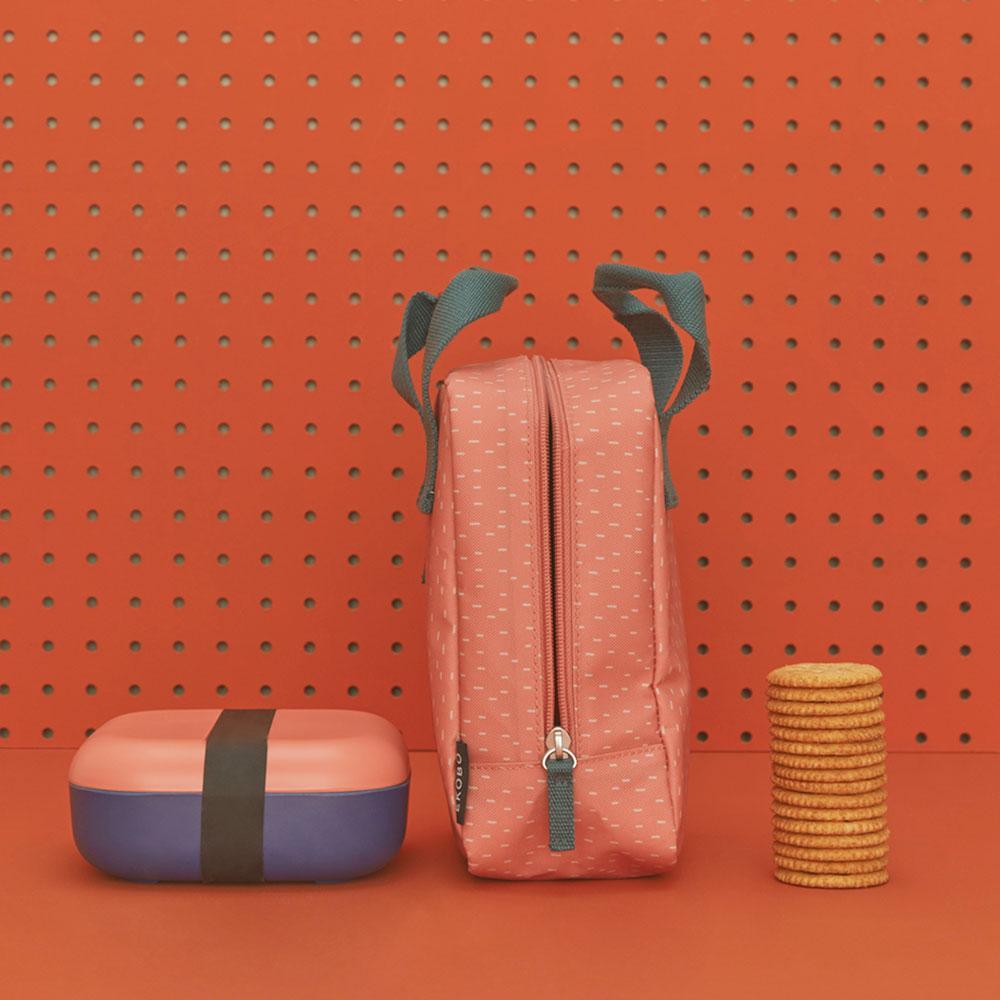
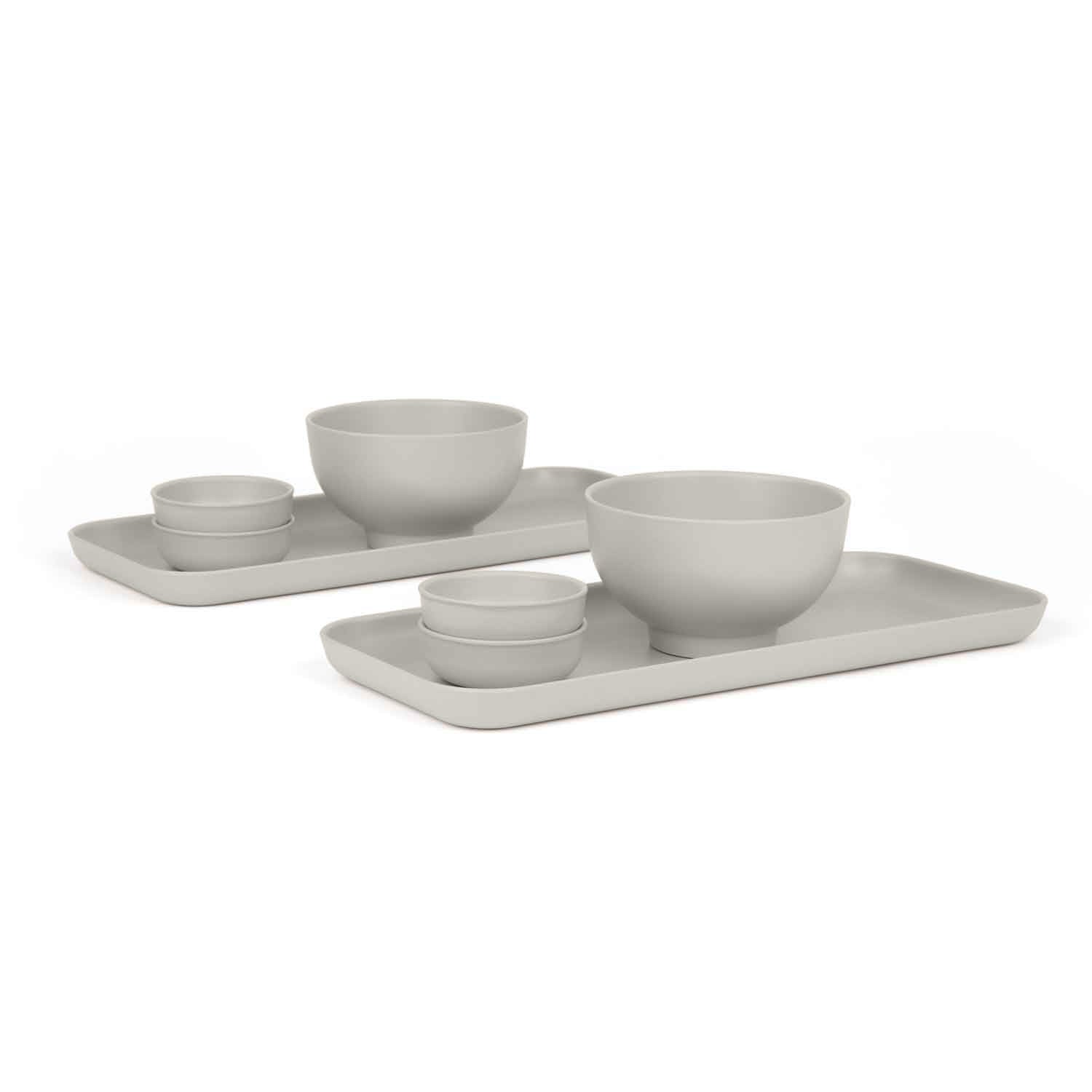
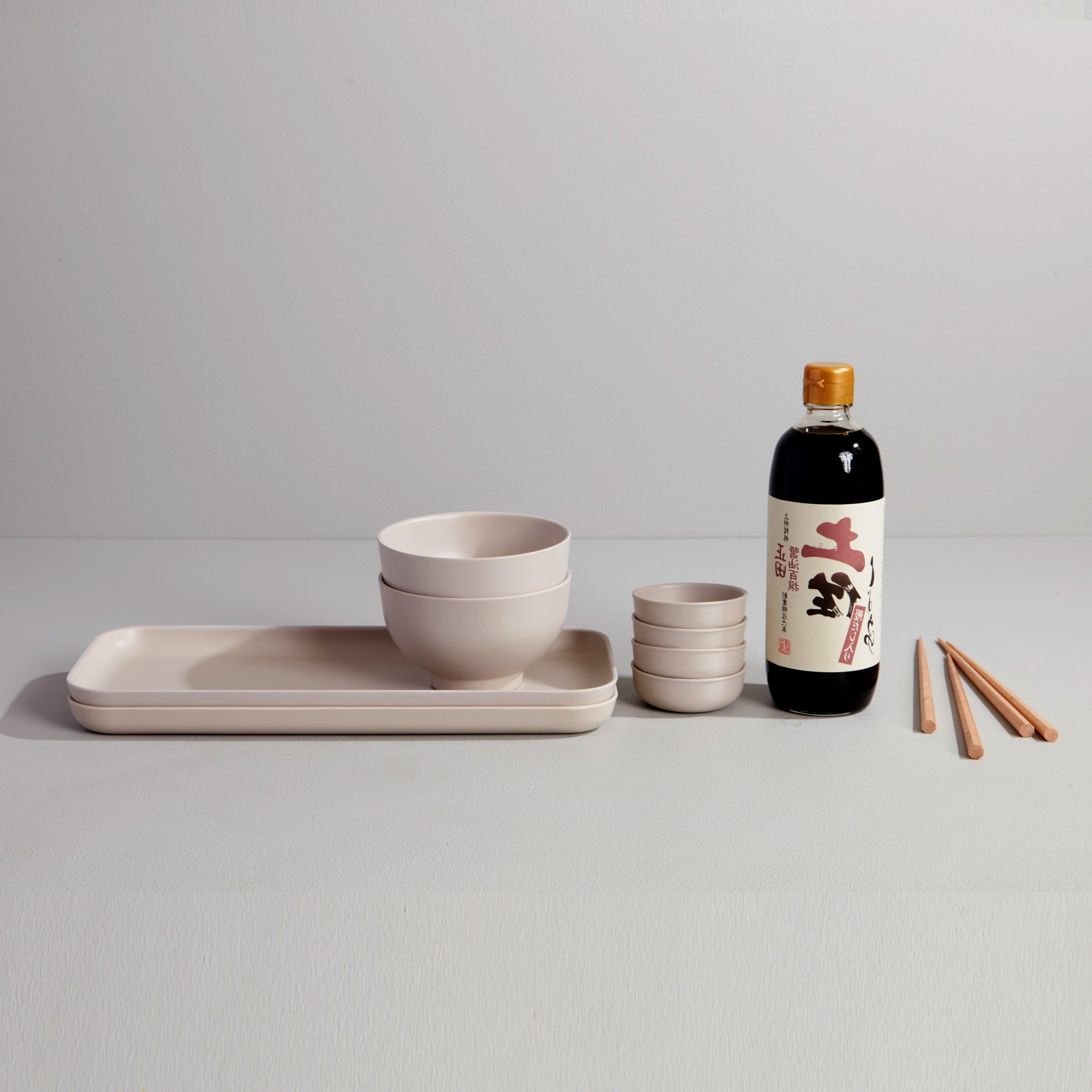
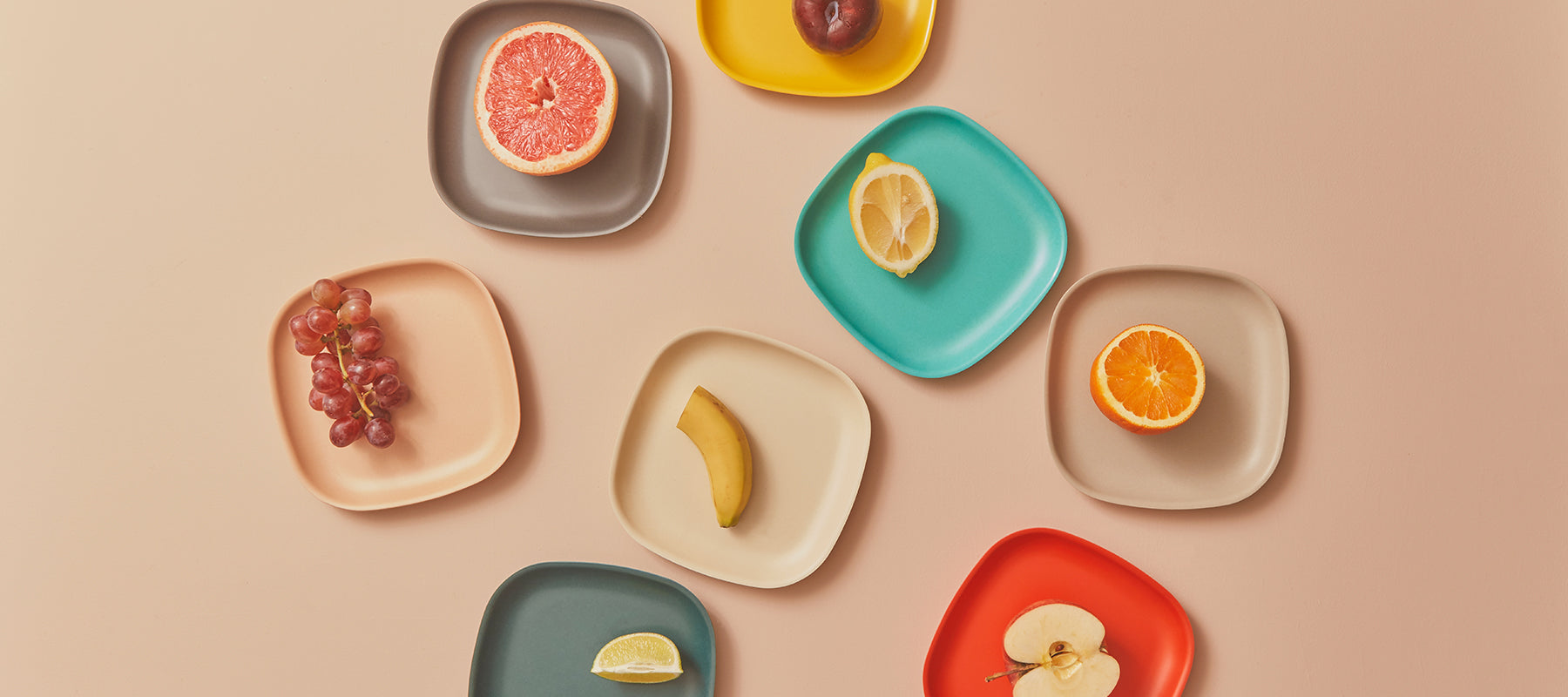
Bamboo Fiber BIOBU® is our signature eco-composite blends made from responsibly sourced bamboo waste 50% and a safe, 50% food-grade binder. This combination makes our products strong, long-lasting and completely safe for everyday use - no varnish, no coatings, no fading, and no harmful chemicals.
Unlike many bamboo fibre products on the market, BIOBU® is produced using a strict, high-quality thermopress process, ensuring stability, durability and top safety standards. All products are BPA-free, PVC-free, Phthalate-free, Asbestos-free and fully tested to global food-safety regulations.
We chose bamboo because it is one of the most renewable resources on our planet. It requires no fertilizer, pesticide or herbicide. Our bamboo is collected as sawdust waste from selected bamboo chopstick factories. Our items are reusable, dishwasher-safe, and a sustainable alternative to fragile or disposable plastics.
About Food-Grade Silicone
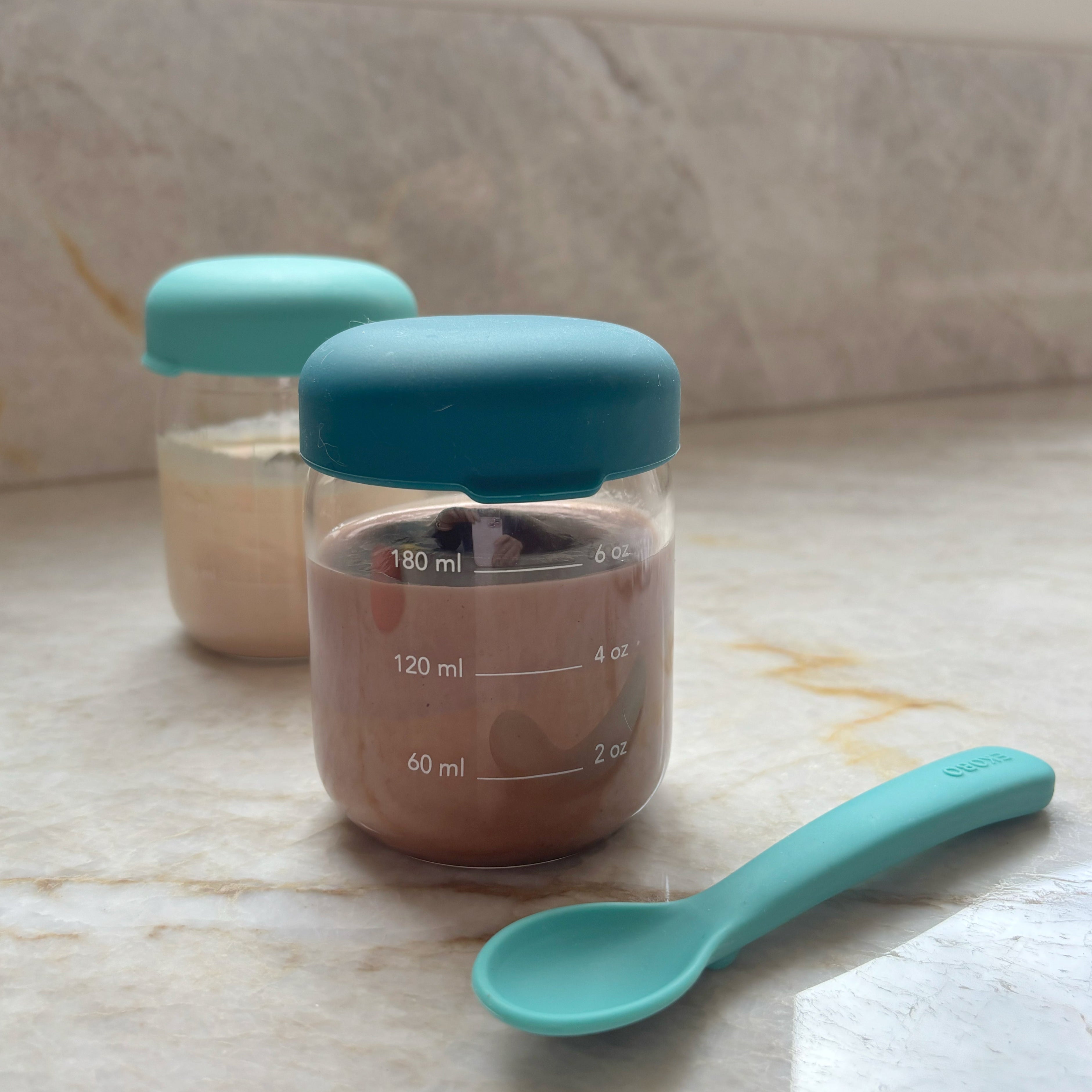
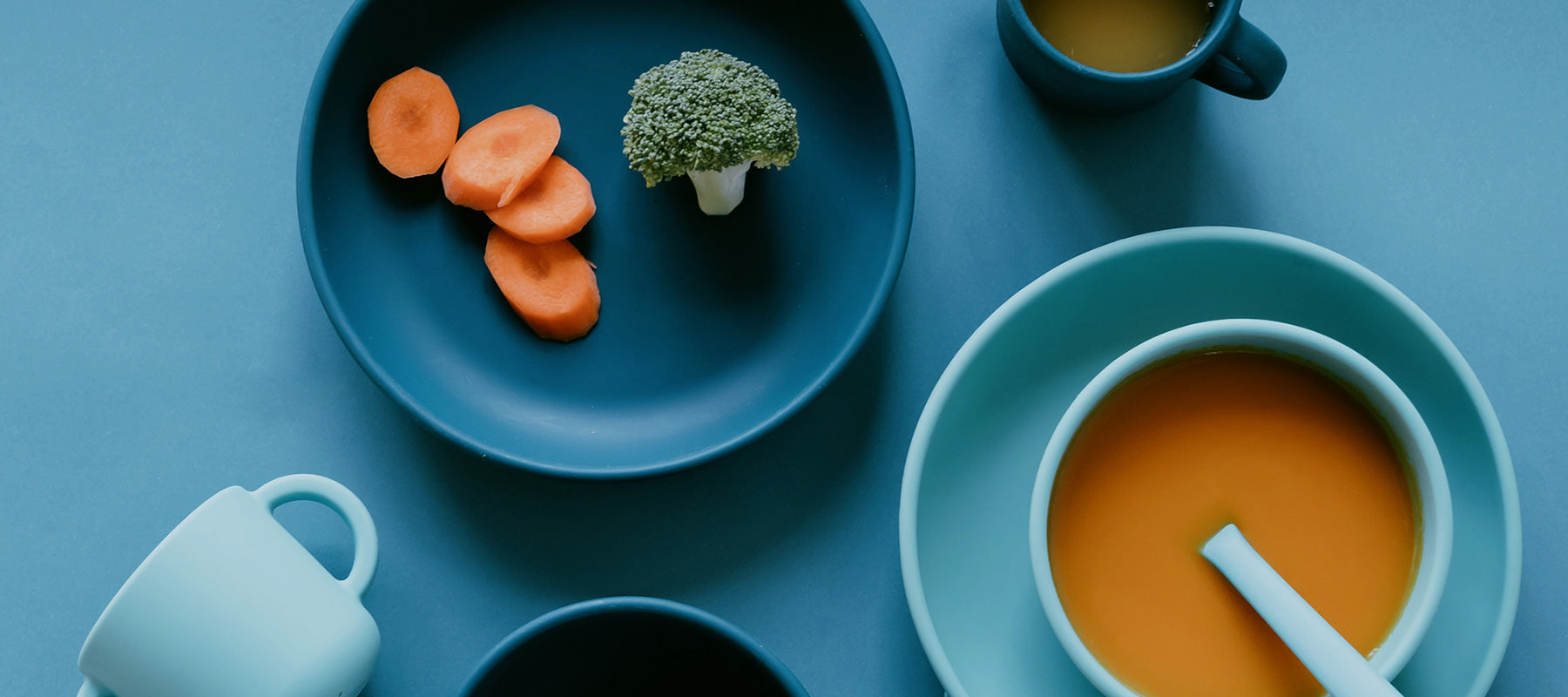
Silicone is a flexible, durable material made from silica, a natural element derived from sand. EKOBO uses high-quality, food-grade silicone described as safe, non-toxic and suitable for everyday use in baby and family products, as seen in the baby feeding collection.
All silicone items are BPA-free and designed as a long-lasting alternative to disposable plastics, supplying a soft, functional solution for daily meals at home or on the go, as outlined in the EKOBO FAQ. The material is flexible and wear-resistant, making it especially useful for repeated use.
Food-grade silicone is widely recognized as safe for food contact and is approved for use in kitchenware and food applications by organizations such as the U.S. Food and Drug Administration, making it a reliable choice for everyday use.
About Food-Grade Stainless Steel
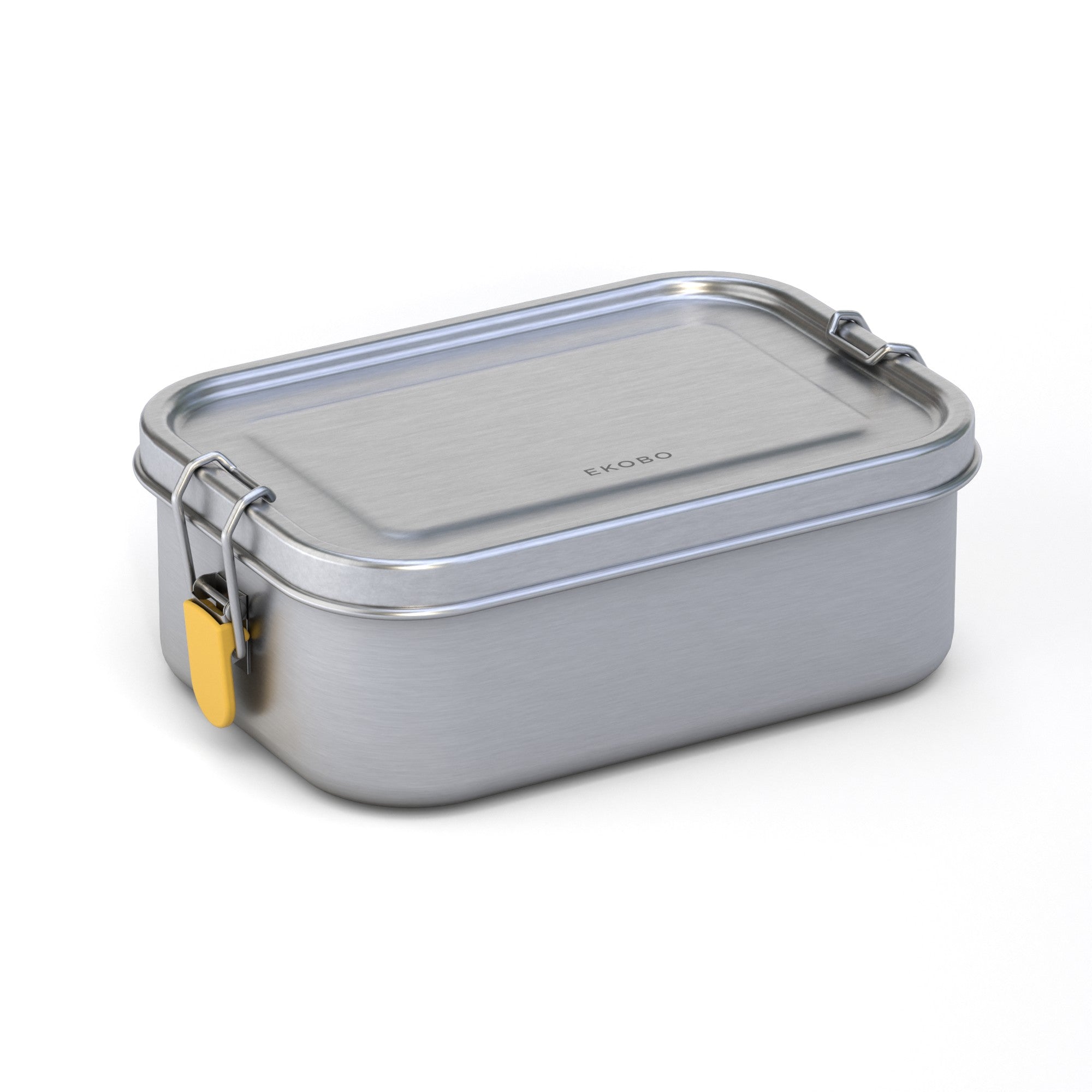
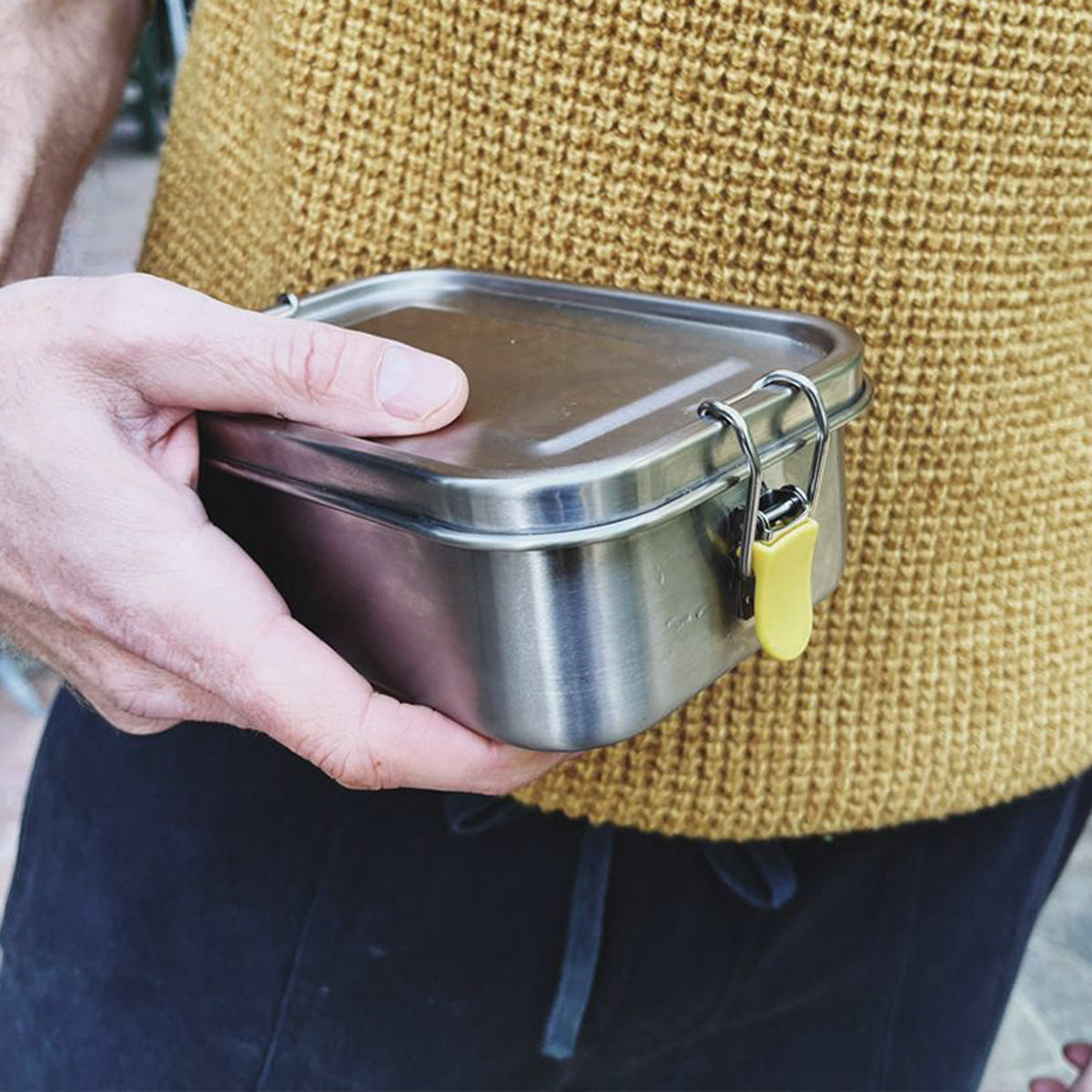
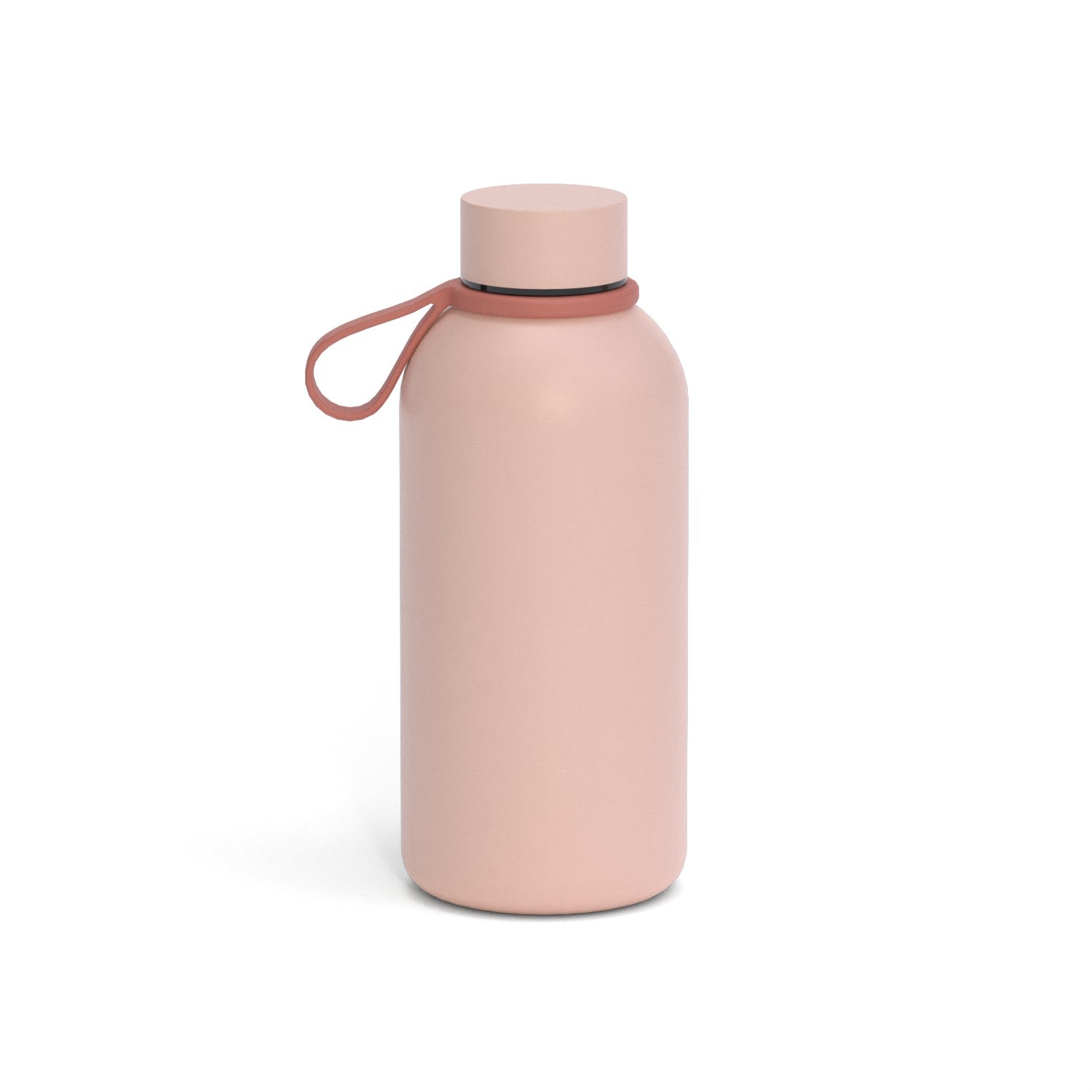
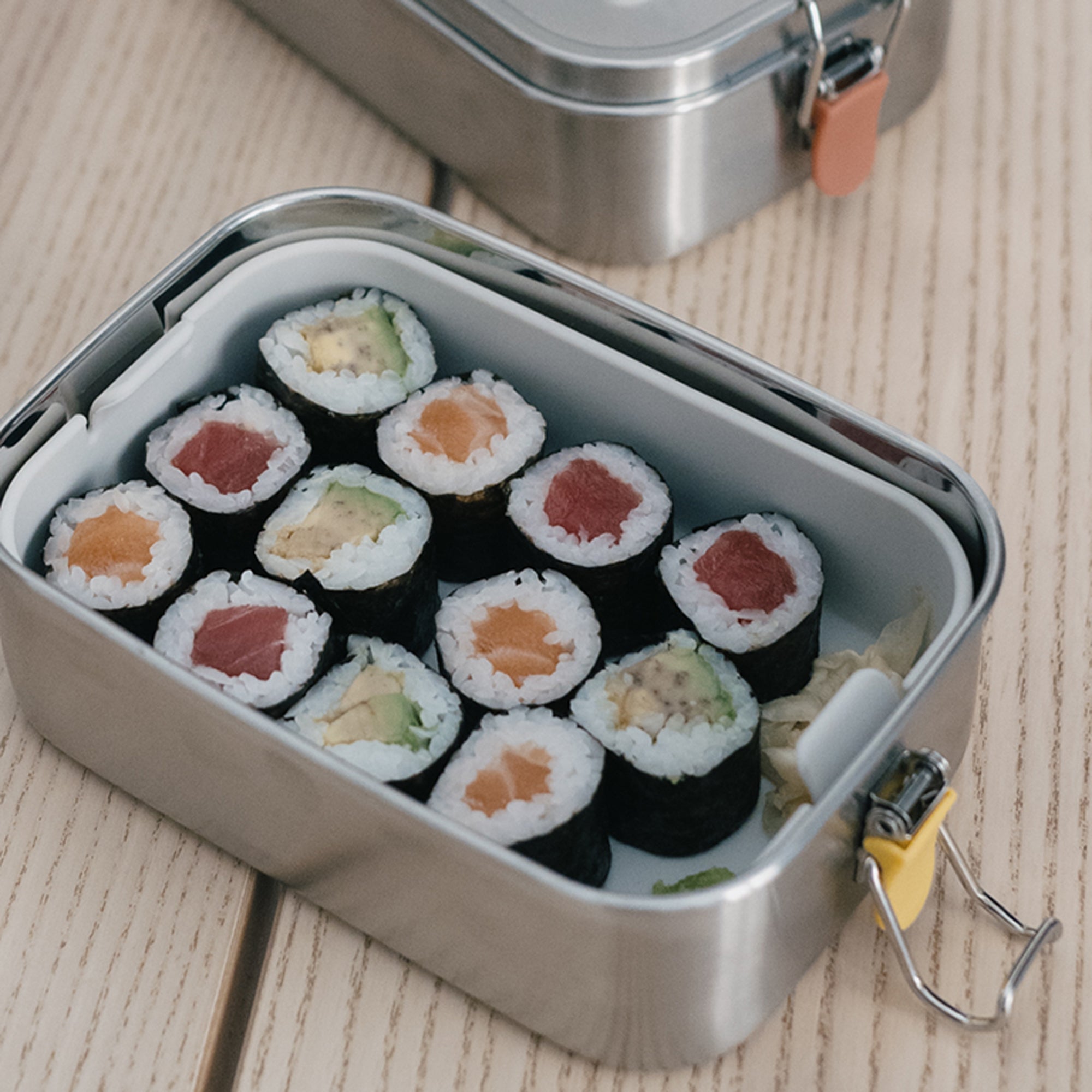
Stainless steel is a durable material widely used for food containers due to its strength and long lifespan. EKOBO uses high-quality, food-grade stainless steel in products designed for repeated daily use, including lunch boxes and food storage, such as this stainless steel lunch box.
It is naturally BPA-free and suitable for direct food contact, making it a reliable alternative to plastic for both home and travel. Its sturdiness and impact resistance make it especially practical for outdoor dining and on-the-go use.
Food‑grade stainless steel is prized in kitchenware and food contact applications because its smooth, non‑porous surface helps reduce bacterial buildup and makes cleaning easier, contributing to safe everyday use. Research on food contact materials highlights that stainless steel resists corrosion and does not react with acidic or alkaline foods, helping preserve taste and quality over time (see food contact materials overview). These properties make it a trusted choice for family meals, travel, and outdoor dining
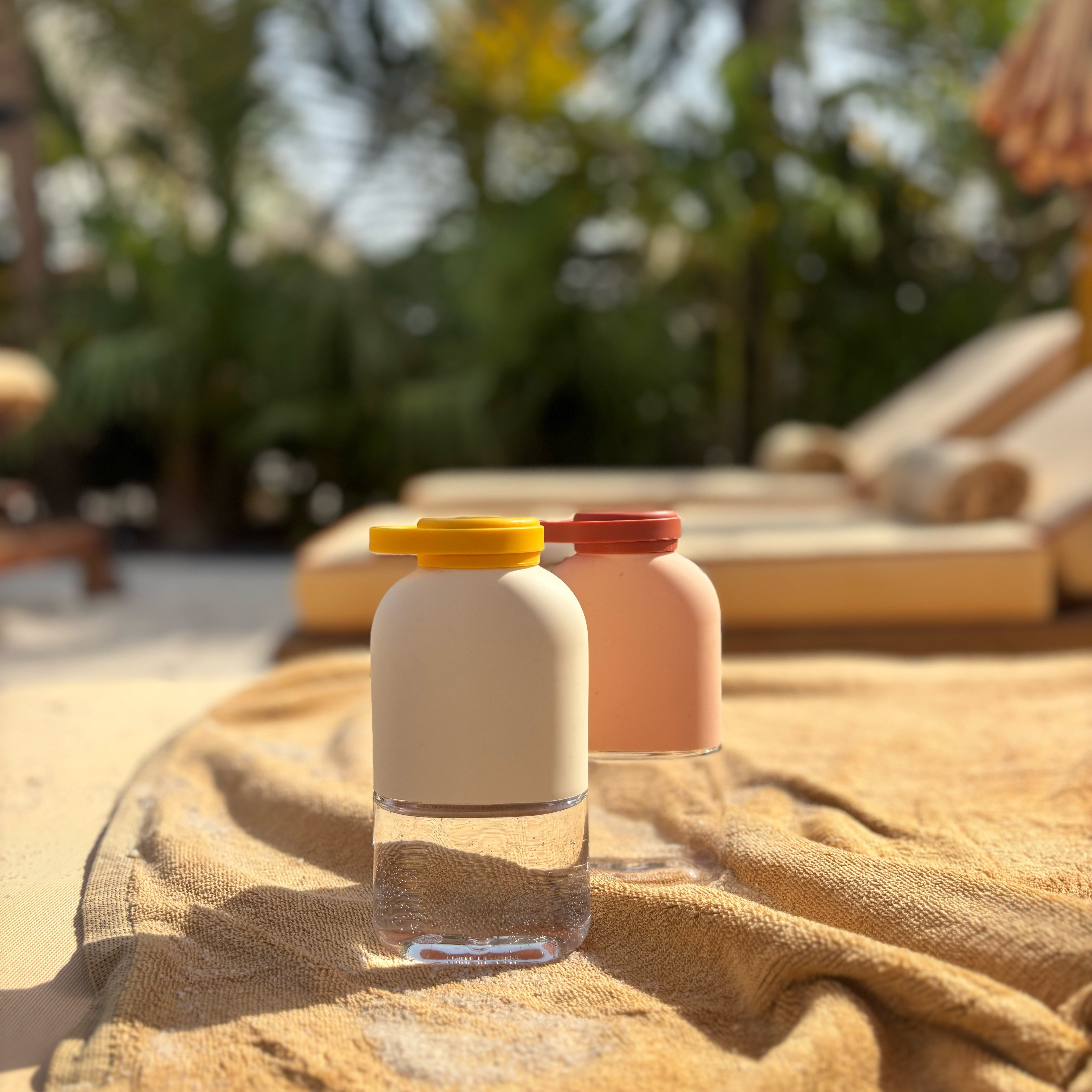
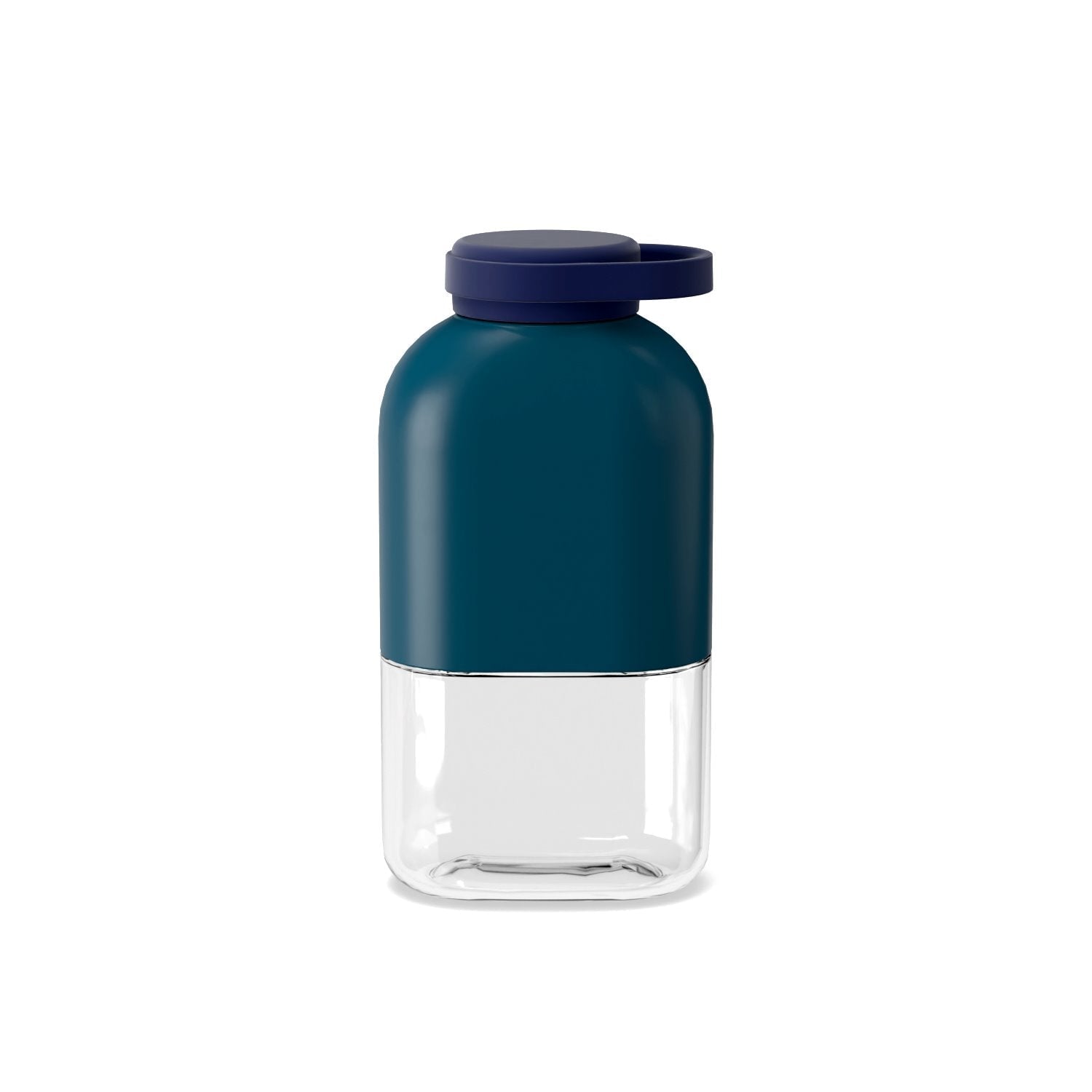
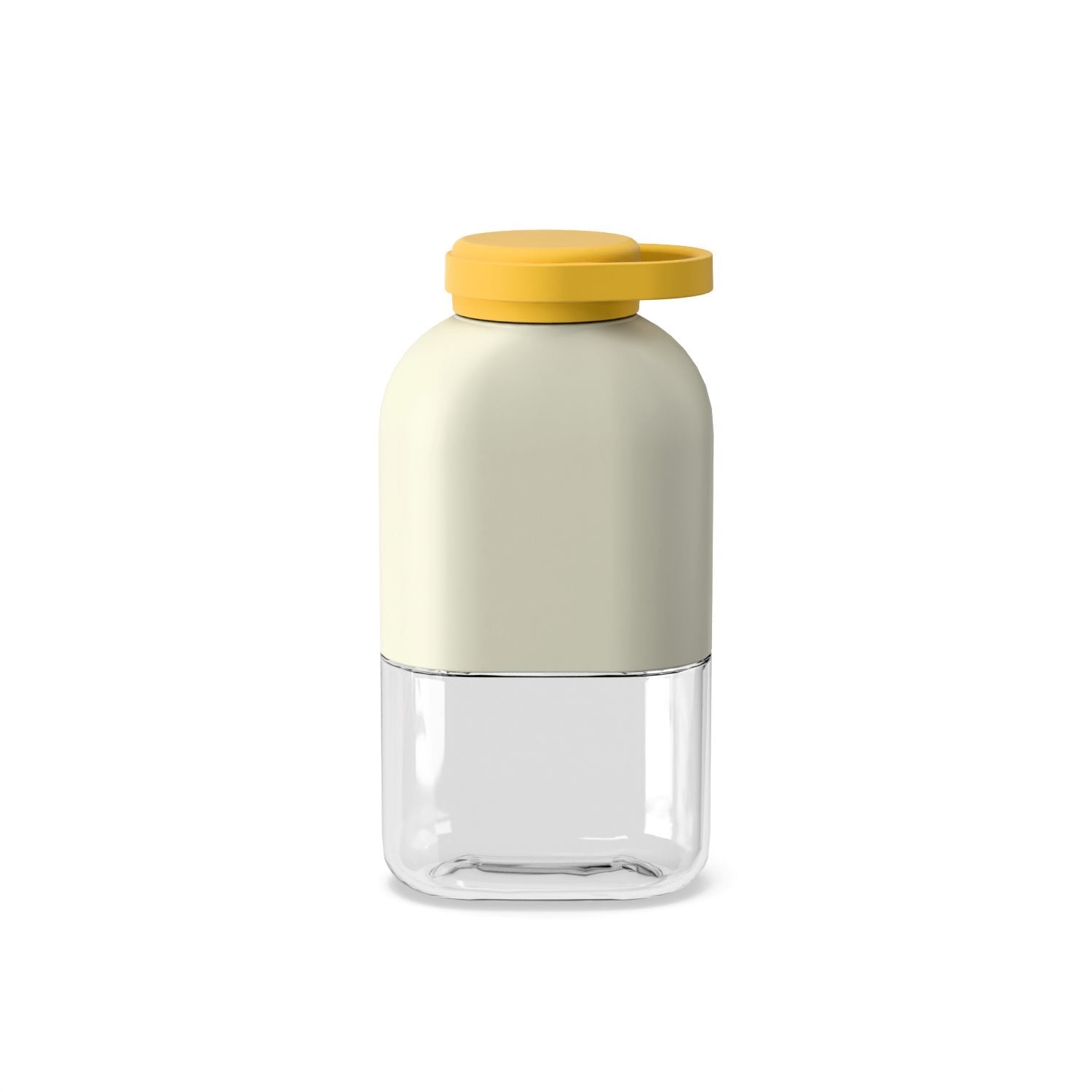
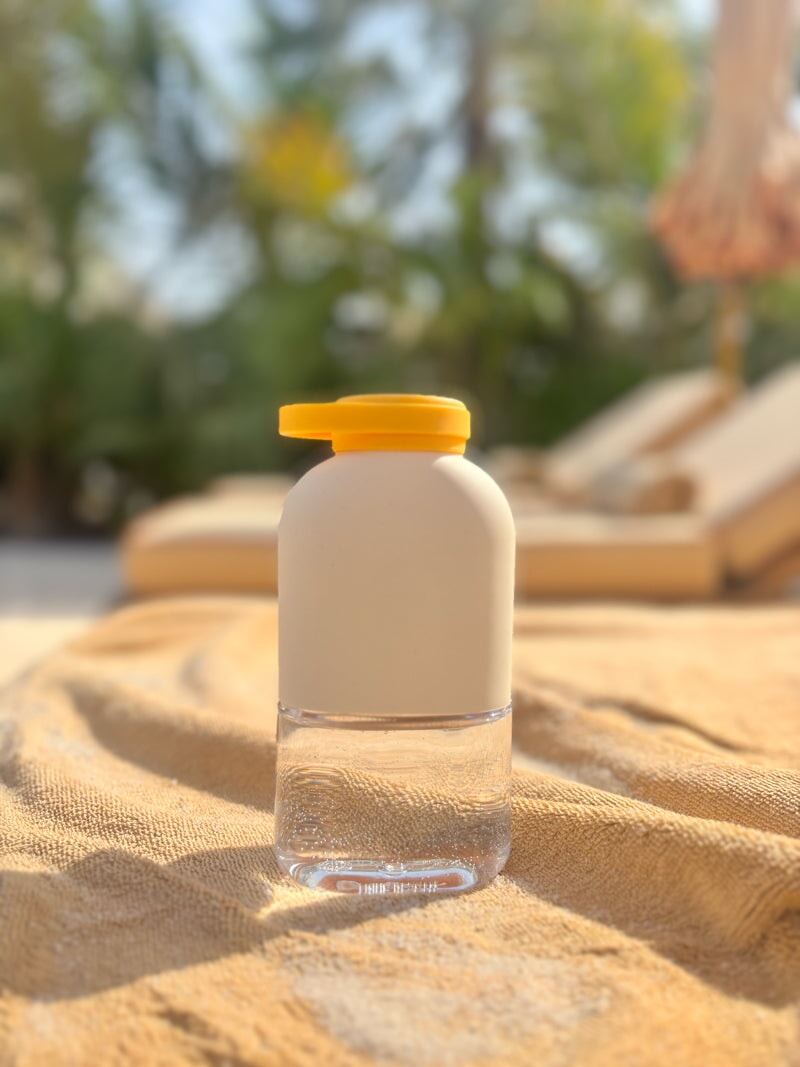
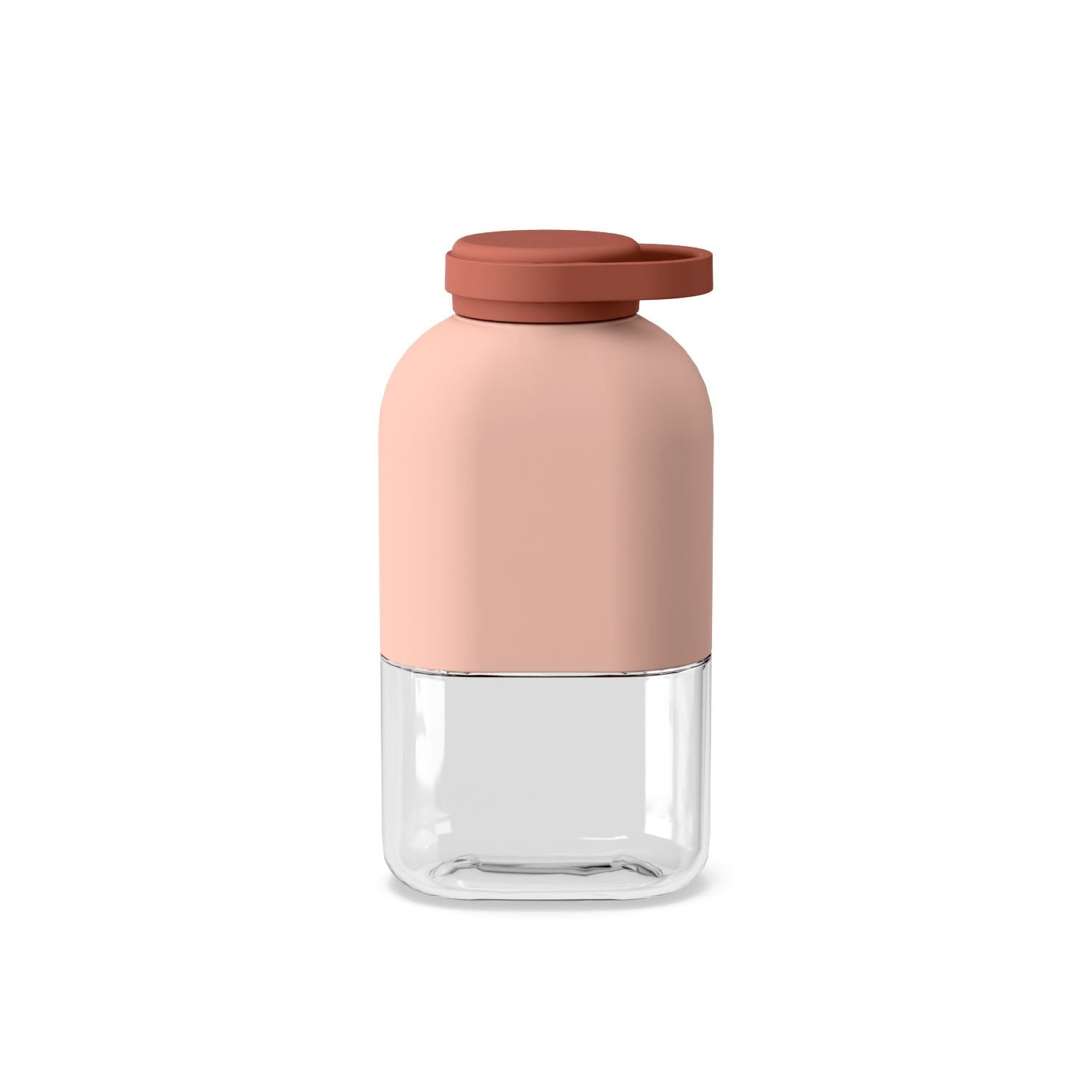
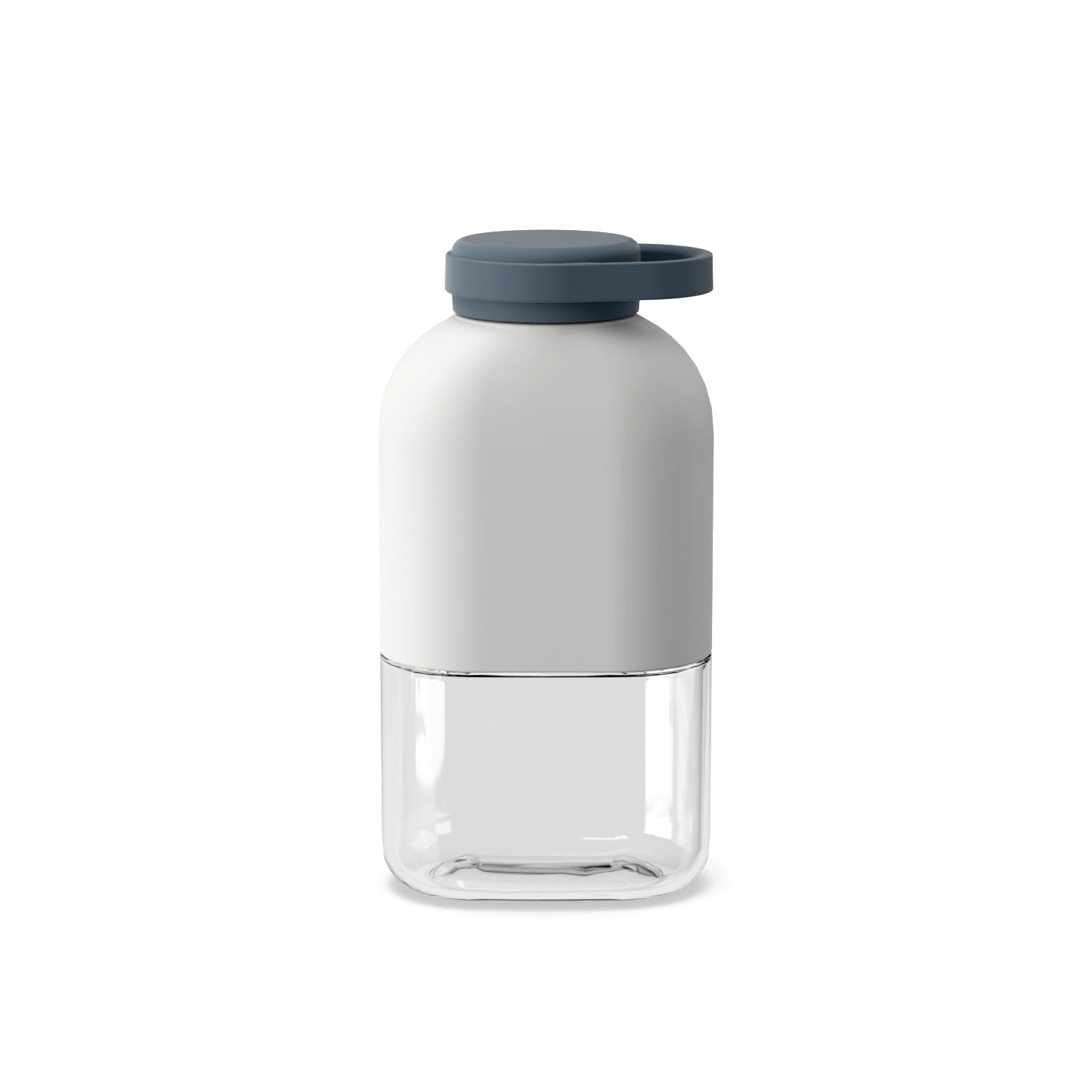
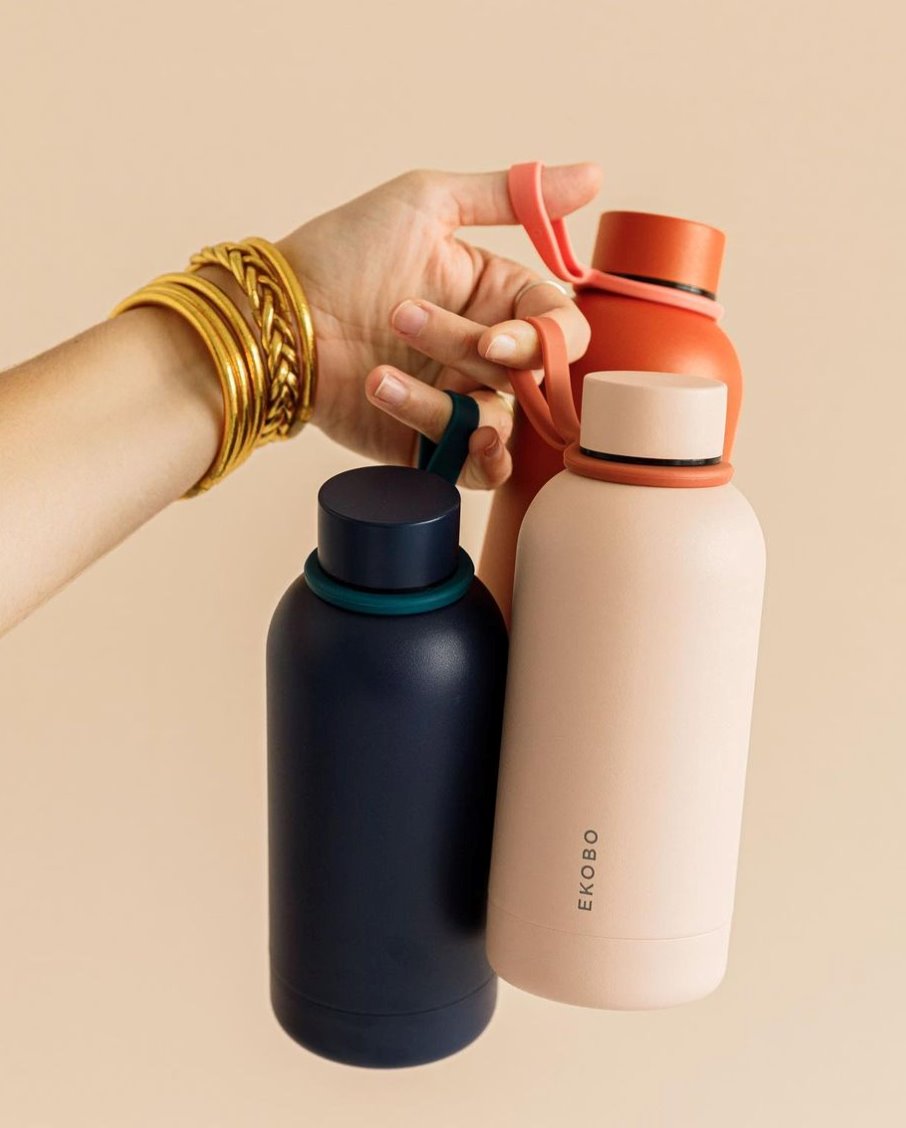
Tritan™ is a durable, lightweight co-polyester material designed for clarity and impact resistance. It is engineered to provide the look of glass while remaining shatter resistant.
All Tritan™ items are BPA-free and designed as a long-lasting alternative to single-use plasticbottles, providing a clear and durable solution for daily use.
Tritan™ is widely used in food-contact applications such as drinkware and containers, making it a practical choice for everyday use.
EKOBO STORY
WE DESIGN TO DO BETTER WITH LESS.
Founded in 2003 by Bruno and Boo Louis, EKOBO began as a family-driven project rooted in thoughtful design and daily use. Over more than 20 years, the brand has grown alongside our children, shaping products for meals, travel and developing products together.
From the beginning, our approach was simple: create functional, well-made pieces using carefully selectedmaterials - bamboo, cork, rePET, silicone, and organic cotton - with a focus on durability and reducing unnecessary waste.
Each collection reflects a "less is more" philosophy, where form, function and material are considered equally. Today, EKOBO is an international brand with 500+ designs, present in the United States, Europe, and Asia - made for modern family life.
Yes. EKOBO is a well-established eco-design brand known for combining modern aesthetics with responsibly sourced materials. Designed in France, the brand focuses on reusable alternatives to single-use plastics using bamboo fiber eco-composites, not raw natural bamboo. EKOBO uses leftover bamboo sawdust from chopstick factories, giving waste material a second life. Bamboo grows extremely fast and captures significantly more CO₂ than most hardwoods, contributing to a lower carbon footprint from the very beginning of the product’s life cycle.
What are the disadvantages / limitations of bamboo fiber?
Bamboo fiber must be distinguished from
natural bamboo. Natural bamboo products are often disposable and
moisture-sensitive. Bamboo fiber eco-composites are durable and reusable but
are not designed for cooking, microwaves, or ovens. They have defined heat
limits and are not home-compostable due to the food-safe binder required for
long-term reuse. These are material limitations, not safety defects.
Is EKOBO safe?
Yes. EKOBO products are made from bamboo fiber eco-composites, not raw natural bamboo. They are BPA-free, PVC-free, and phthalate-free, tested for food-contact safety, and designed for hot and cold foods and liquids, though not for cooking.
Where are EKOBO products made?
EKOBO products are designed in France and manufactured in China, where bamboo naturally grows. EKOBO uses leftover bamboo sawdust from chopstick factories, giving waste material a second life. Bamboo’s rapid growth and high CO₂ capture contribute to a lower carbon footprint from the beginning of the product’s life cycle.
Which country is famous for bamboo products?
China is widely known for bamboo products due to centuries of cultivation, craftsmanship, and large-scale processing expertise in both natural bamboo and bamboo fiber materials.
Which country is the largest producer of bamboo?
China is the world’s largest producer of bamboo, supplying the majority of global bamboo used for both natural bamboo goods and bamboo fiber processing.